Follow Us:

News

Why Choose a Cutter Suction Dredger?

2026-02-25 0 Leave me a message
The Ultimate Guide to Cutter Suction Dredger (CSD) | Qingzhou Jinqi

This comprehensive guide explores every facet of the Cutter Suction Dredger (CSD) — from its working principle and mechanical superiority to project suitability. Whether you are a project manager, environmental engineer, or investor, you will understand why CSD dominates the dredging world. We highlight advantages, limitations, and real-world applications, enriched by technical insights from Qingzhou Jinqi Mining Machinery Co., Ltd., a leading manufacturer in heavy dredging equipment.

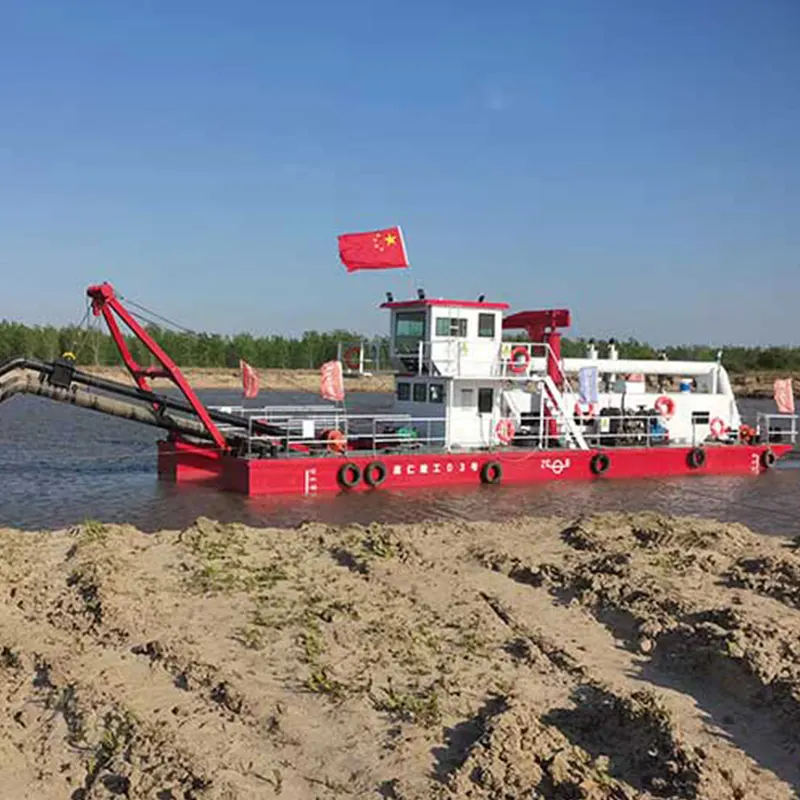
Cutter Suction Dredger

🔍 1. What Exactly Is a Cutter Suction Dredger?

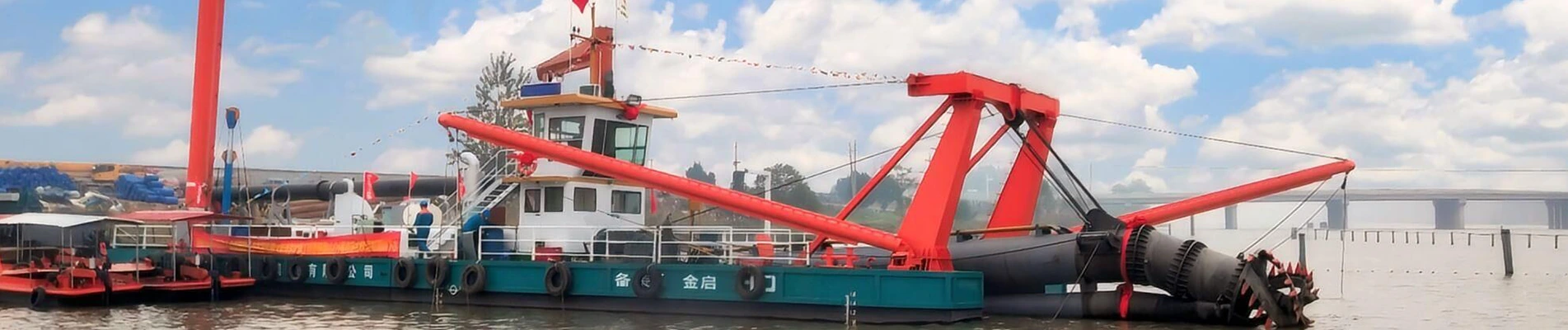
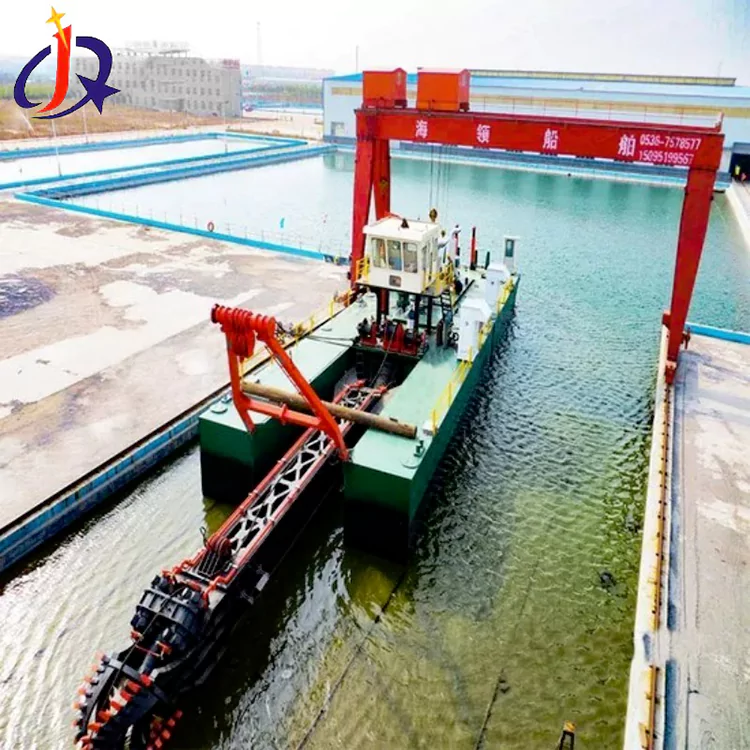
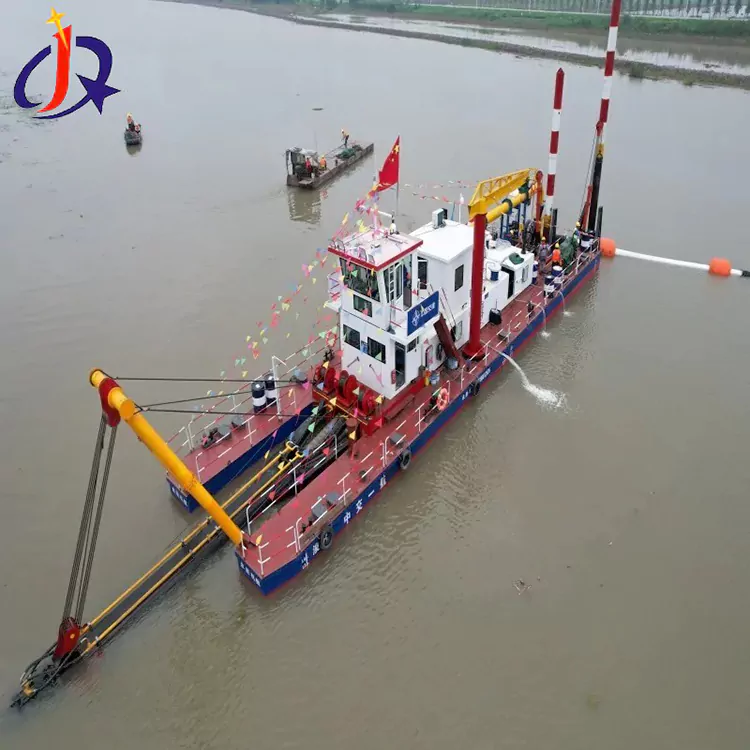
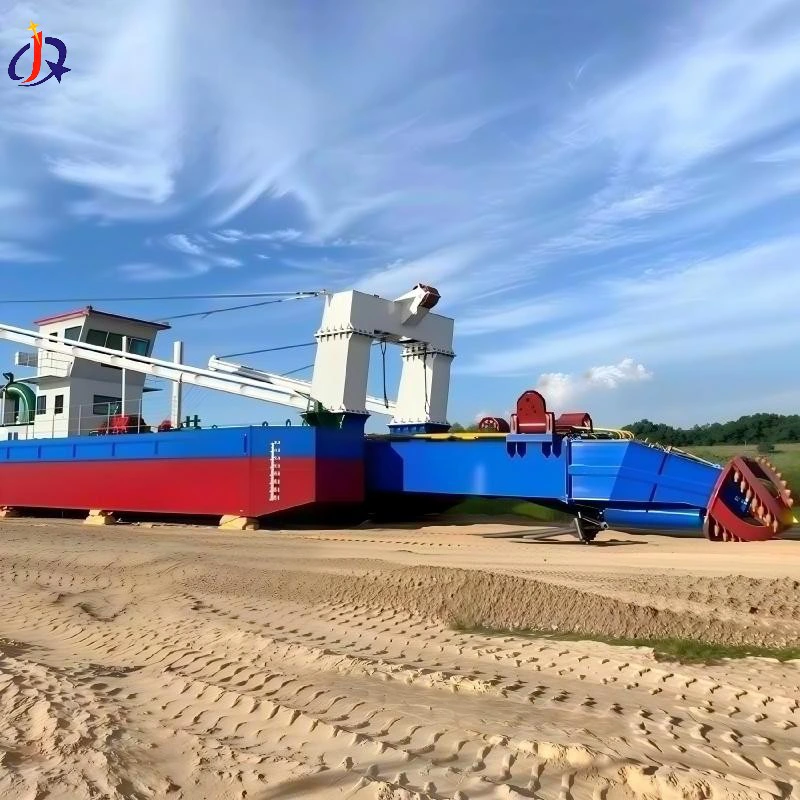
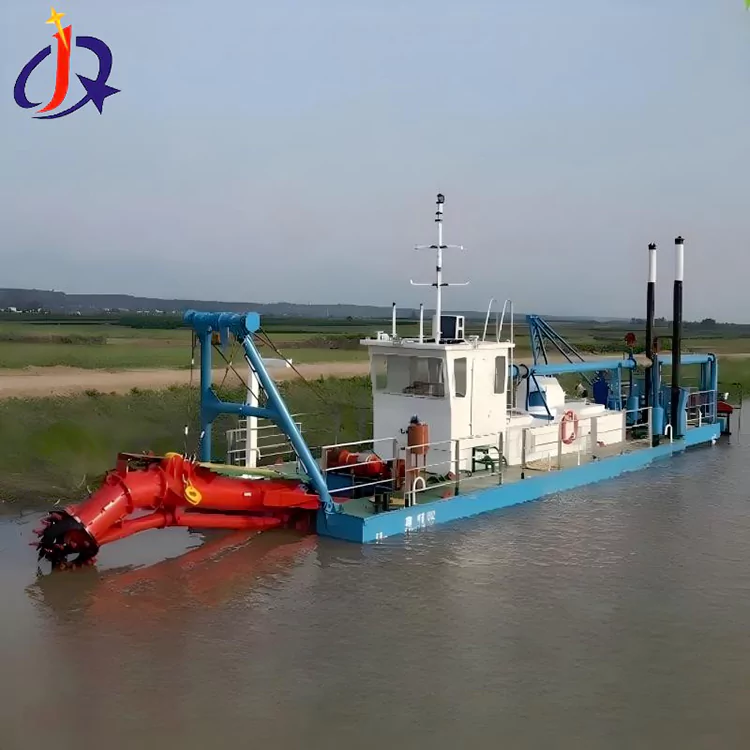
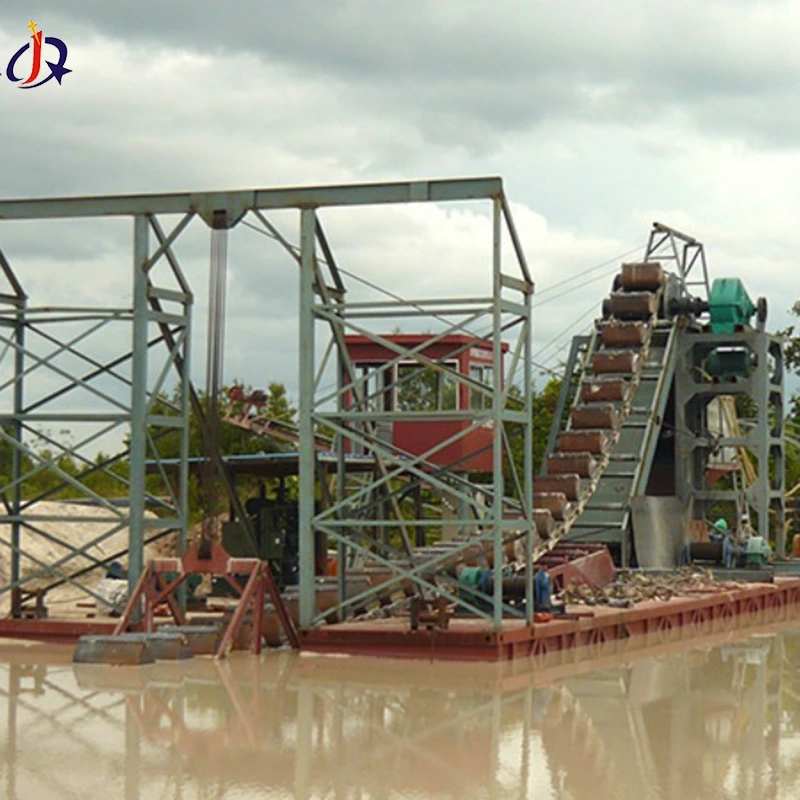
A Cutter Suction Dredger (CSD) is a powerful stationary dredging vessel that uses a rotating cutter head to loosen compacted soil, rock, or sediment, while an integrated submersible pump simultaneously sucks the slurry through the suction pipe and discharges it via a pipeline to a designated disposal area. Unlike plain suction dredgers, the Cutter Suction Dredger excels in hard material — clay, gravel, sand,甚至 weathered rock. Qingzhou Jinqi Mining Machinery Co., Ltd. has refined CSD design to achieve maximum efficiency with minimal downtime.

These dredgers are normally not self-propelled; they pivot on a spud pole (anchor pole) and swing from side to side using side winches, cutting layers like a mechanical excavator underwater. The robust construction and high torque cutter make CSD the workhorse of land reclamation, port maintenance, and mining projects.


⚙️ 2. How Does a Cutter Suction Dredger Operate Underwater?

The operational cycle can be broken into coordinated steps. A Cutter Suction Dredger positions itself using two spuds (one working spud, one auxiliary spud). The cutter head rotates and digs into the material, while water jets sometimes assist to fluidize the soil. The mixture (solids + water) enters the suction mouth and is pumped through a pipeline that can extend several kilometers. The dredger swings in an arc by winching cables anchored to shore or piles. The spud system allows forward movement after each cut. Qingzhou Jinqi Mining Machinery Co., Ltd. produces CSDs with advanced automation to control swing speed, cutter rpm, and pump concentration, maximizing production even in heterogeneous grounds.


✅ 3. What Are the Main Advantages of Cutter Suction Dredger?

🌟 Key Advantages

  • High production in hard material: Cutter can disaggregate compacted clay, coral, and soft rock.
  • Continuous operation: Dredges 24/7 with minimal stops.
  • Precision cutting: Ideal for confined areas near ports or structures.
  • Long-distance discharge: Pipeline transport eliminates barges.
  • Low turbidity: Mechanical cutting reduces suspension compared to plain suction.
  • Customizable from small to mega-size: Qingzhou Jinqi offers CSD from 8-inch to 36-inch.

⚠️ Notable Disadvantages

  • Stationary mode: Requires relocation by tug or own winches; less mobile than trailing hopper.
  • Pipeline obstruction risk: Debris can block suction.
  • Depth limitation: Usually efficient up to 25-30m; beyond that, submerged pump assistance needed.
  • High initial investment: Heavy-duty cutter and pump escalate CAPEX.
  • Shallow draft sensitivity: May need preparatory dredging for access.
📊 Cutter Suction Dredger – Capability Snapshot (Qingzhou Jinqi Models)
Max. Dredging Depth 6 – 30 m (custom engineered)
Cutter Power 30 kW – 1200 kW
Discharge Distance Up to 4000 m (with booster pump)
Typical Output 200 – 4500 m³/h (depends on soil)
Preferred Application Rivers, lakes, ports, land reclamation

🧐 4. What Are the Disadvantages or Limits When Using a CSD?

Despite its versatility, the Cutter Suction Dredger is not a universal solution. Its reliance on a pipeline system makes it less suitable for open water with long transport distances unless boosters are added. Also, the cutter head wears quickly in abrasive materials, requiring frequent maintenance — a factor minimized by Qingzhou Jinqi Mining Machinery Co., Ltd. through hardened chromium carbide overlay. Another limit: the dredger must be anchored; strong currents or waves can halt production. For deep excavations beyond 30m, a submerged pump version is mandatory, increasing complexity. Yet, for 80% of inland and nearshore projects, CSD remains unmatched.


🌍 5. Which Projects Demand a Cutter Suction Dredger?

From land reclamation in Dubai to sand mining in Vietnam, CSD is essential. Typical uses include:

  • Port & harbor deepening – removal of silt and stiff clay.
  • Land reclamation – pumping sand directly to the reclamation area.
  • Reservoir dredging – restoring water storage capacity.
  • Mineral extraction – tin, gold, or heavy mineral sands.
  • Environmental remediation – contaminated sediment removal with precision.
  • Canal and waterway maintenance – keeping navigation channels open.

📏 6. How to Choose the Right Cutter Suction Dredger for Your Site?

Selecting a CSD involves material type, production rate, and discharge distance. Qingzhou Jinqi Mining Machinery Co., Ltd. advises:

Material Type Recommended Cutter Power Dredge Size Example
Loose sand/silt Low (50-150 kW) 10-inch / 250 kW pump
Stiff clay / gravel Medium (200-400 kW) 14-18 inch / 500-800 kW
Weathered rock / coral High (>500 kW) 20-28 inch / 1000+ kW

Also consider spud system: fixed spud for shallow, walking spud for continuous positioning. Always consult an expert; Qingzhou Jinqi offers free project evaluation.


❓ 7. Frequently Asked Questions about Cutter Suction Dredger

❔ Can a Cutter Suction Dredger work in hard rock?
Yes, but with limitations. Standard CSD cuts weathered or soft rock (≤ 10 MPa). For harder rock, a special heavy-duty cutter with rock cutting teeth (point attack picks) and high torque is needed. Qingzhou Jinqi Mining Machinery Co., Ltd. manufactures reinforced CSD with cutter power up to 1200 kW, capable of excavating limestone and sandstone. However, for massive basalt, drilling and blasting may precede dredging.
❔ What is the maximum pumping distance of a Cutter Suction Dredger?
A standalone CSD typically pumps 500–2000 m. With intermediate booster stations, the distance can exceed 6 km. The pipeline diameter, solid concentration, and head losses define the exact range. Qingzhou Jinqi designs booster packages for long-distance reclamation to maintain efficiency. Their engineers calculate optimal pump sizing for each project.
❔ How does a cutter suction dredger compare to a trailing suction hopper dredger?
CSD is stationary, cuts hard materials, and pumps via pipeline — perfect for confined areas and fixed discharge. Trailing hopper dredger is mobile, sucks loose materials while sailing, and carries load to dump site. For channel maintenance in open sea, trailing is better; for precision excavation near structures, CSD wins. Many large projects use both. Qingzhou Jinqi Mining Machinery Co., Ltd. provides both types, ensuring unbiased advice.
❔ What maintenance does a cutter suction dredger require?
Regular wear parts: cutter teeth (change every 200–600 hours depending on abrasion), pump impeller, liner, and suction mouth. Spud bearings and winches need greasing. Qingzhou Jinqi designs easy-access maintenance points, and provides worldwide spare parts kits. Scheduled inspection of hydraulic systems and cutter drive is critical to avoid breakdowns.

🏭 Ready to boost your dredging project with a world-class Cutter Suction Dredger?

Qingzhou Jinqi Mining Machinery Co., Ltd. offers turnkey solutions from 8-inch to 36-inch CSD, with on-site commissioning and training. CONTACT us.


📚 References & Further Reading

  • International Association of Dredging Companies (IADC) – Cutter Suction Dredger fact sheet
  • Qingzhou Jinqi Mining Machinery Co., Ltd. – Official CSD product line & technical specs (brochure)
  • PIANC – Dredging and Port Construction Guidelines
  • ResearchGate: “Performance analysis of cutter suction dredger in heterogeneous soils”
Related News
Leave me a message
X
We use cookies to offer you a better browsing experience, analyze site traffic and personalize content. By using this site, you agree to our use of cookies. Privacy Policy
Reject Accept