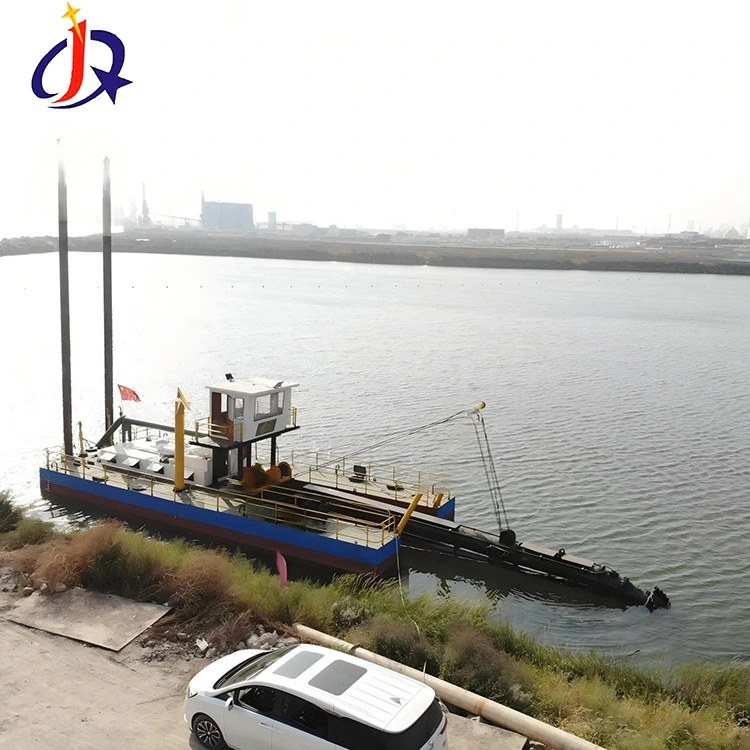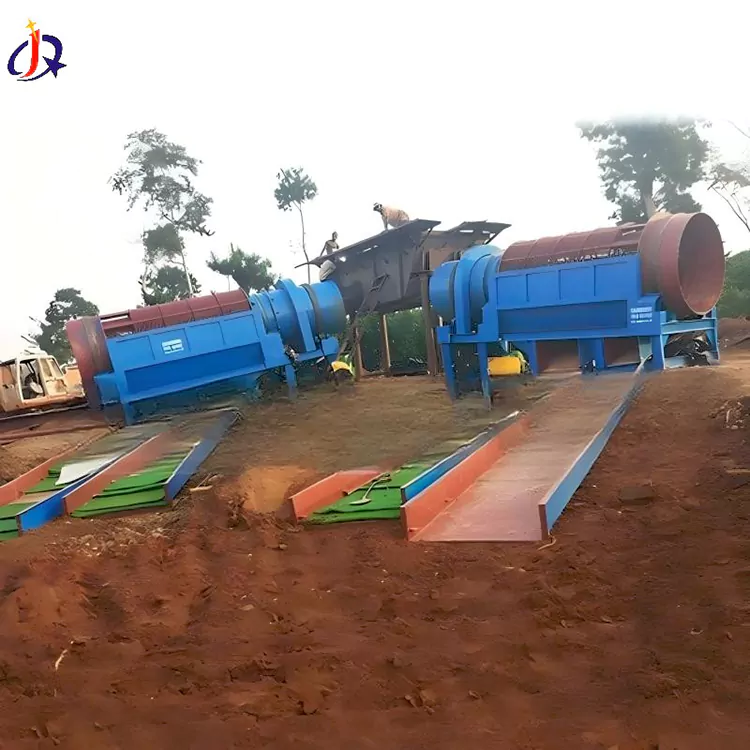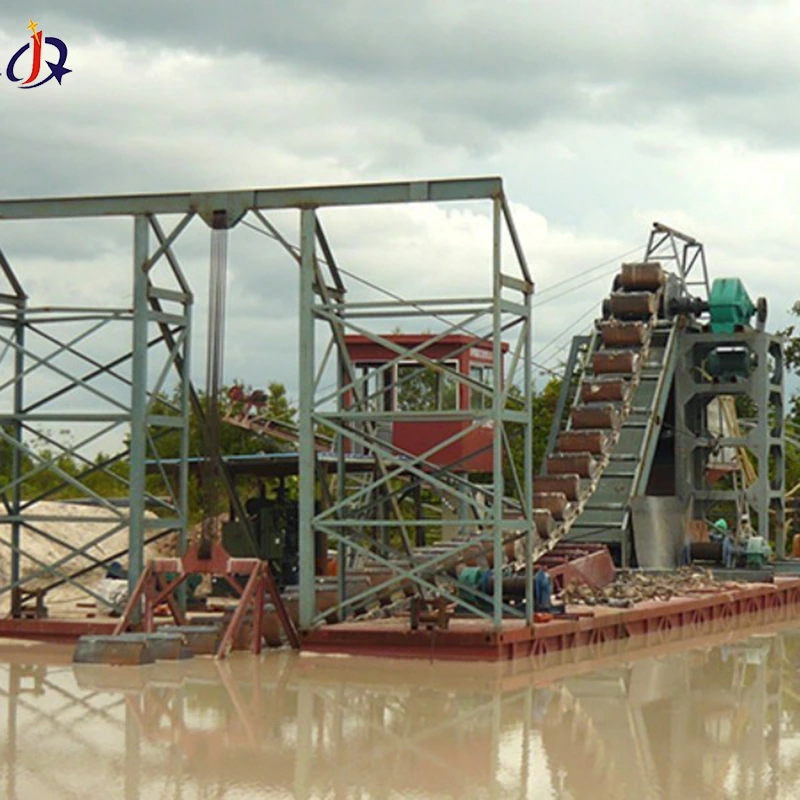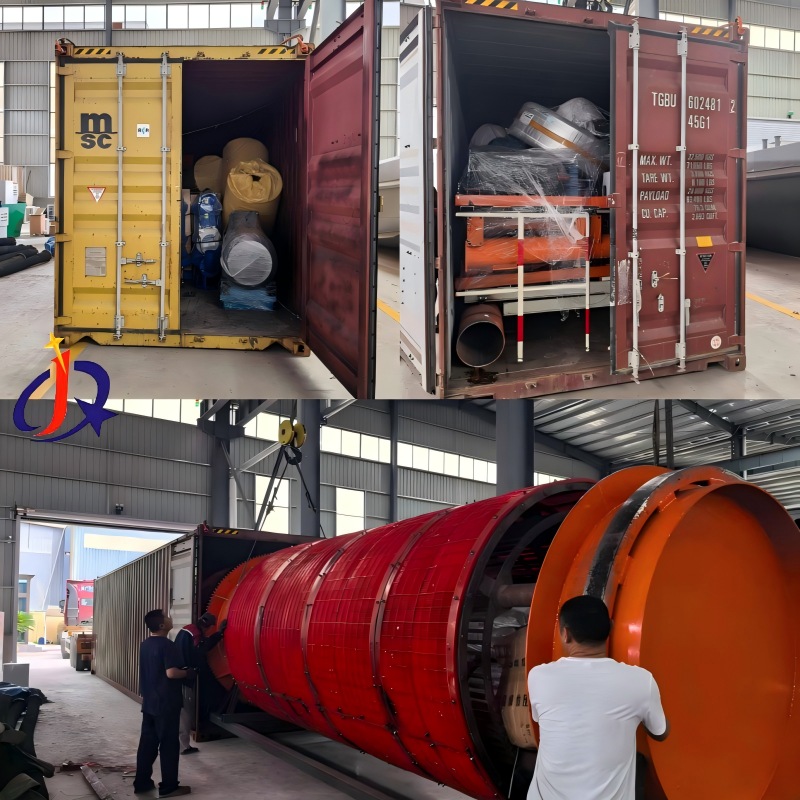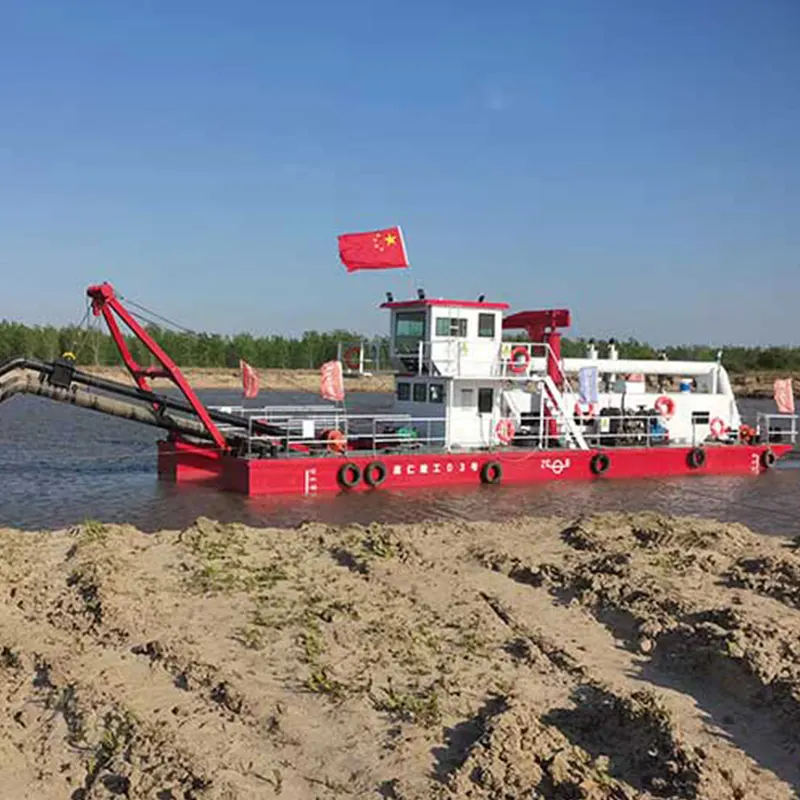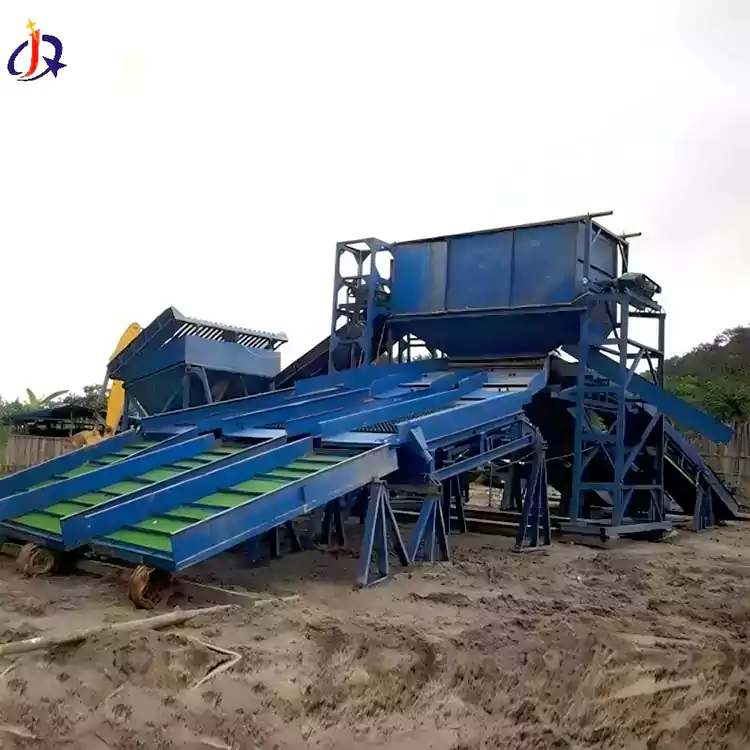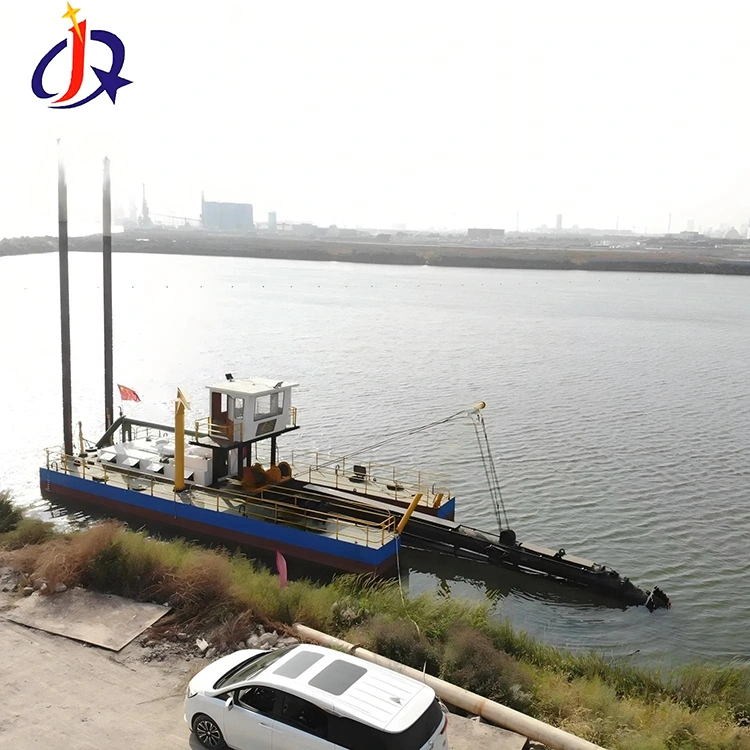
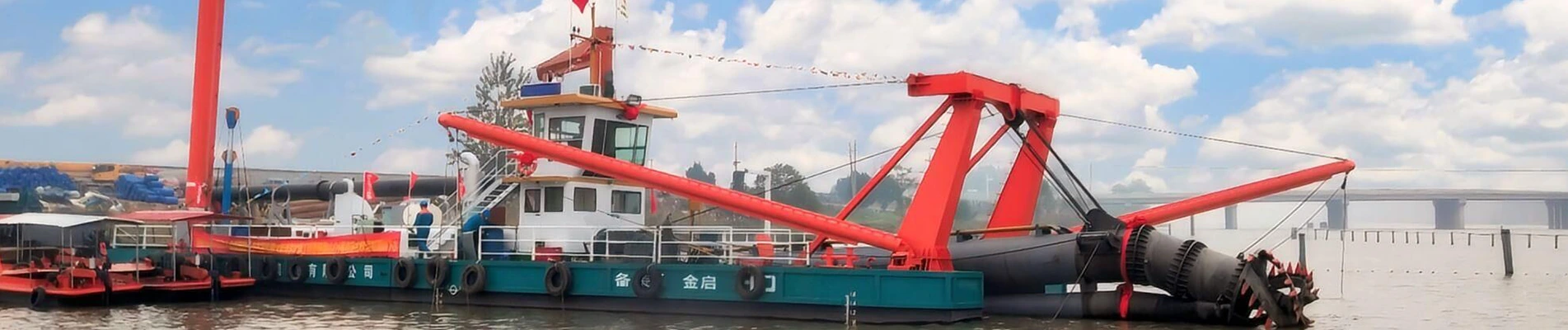
A professional amphibious dredging vessel is designed to tackle dredging conditions where conventional floating dredgers, excavators, or land-based equipment may struggle. By combining water-based mobility with amphibious working capability, this type of vessel can access shallow water, muddy banks, wetlands, canals, ponds, reservoirs, and other difficult environments. This article explains the working principle, major advantages, application areas, selection considerations, maintenance requirements, and practical value of an amphibious dredging vessel, helping project owners and contractors make more informed equipment decisions.
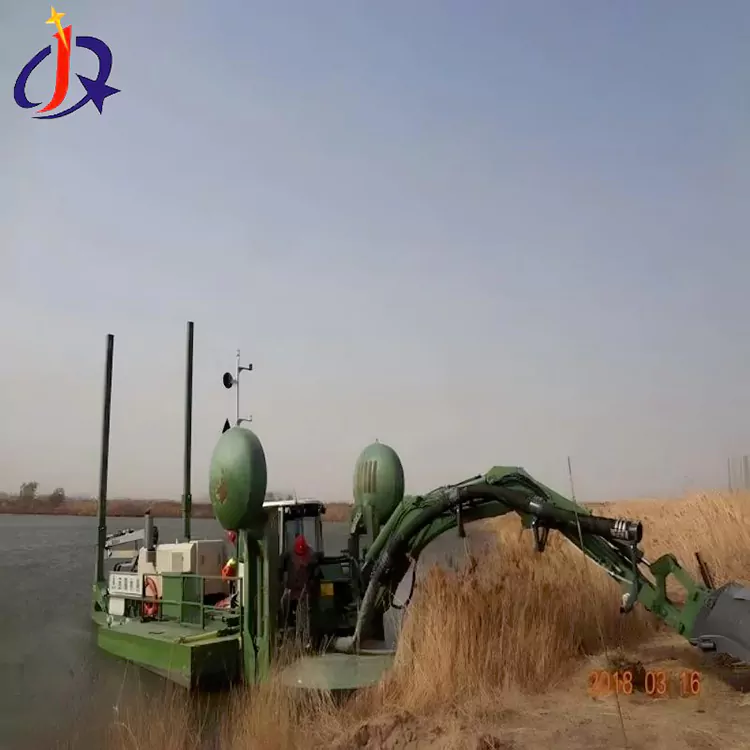
Table of Contents
- The Dredging Challenges Behind Difficult-Water Projects
- What Is a Professional Amphibious Dredging Vessel?
- How an Amphibious Dredging Vessel Works
- Key Advantages for Modern Dredging Projects
- Major Applications and Working Environments
- Important Factors When Selecting a Vessel
- Amphibious Dredging Vessel vs. Conventional Dredging Equipment
- Maintenance Practices for Reliable Operation
- How the Right Vessel Supports Project Productivity
- Frequently Asked Questions
- Conclusion: Building a More Flexible Dredging Strategy
The Dredging Challenges Behind Difficult-Water Projects
Dredging is rarely performed under ideal conditions. Many projects involve shallow waterways, soft sediment, unstable shorelines, wetlands, narrow channels, muddy terrain, or areas where access for heavy land-based machinery is restricted. These conditions can turn an otherwise straightforward excavation task into a major logistical challenge.
Traditional floating dredgers are effective when sufficient water depth is available, but their operating flexibility can decrease significantly as water becomes shallower. Land-based excavators offer excellent digging performance, yet they may have difficulty reaching sediment located beyond the stable shoreline. Moving large quantities of temporary access equipment can also increase project cost and preparation time.
This is where a professional amphibious dredging vessel provides a practical alternative. Instead of being limited to either land or water, amphibious equipment is engineered to operate across changing terrain and water conditions. The result is greater access to locations that conventional dredging equipment may not reach efficiently.
- Shallow-water access: Suitable for areas where conventional dredgers cannot safely operate.
- Soft-ground mobility: Designed to work around muddy banks, marshes, and wetlands.
- Reduced site preparation: Can minimize dependence on temporary roads, platforms, or heavy lifting arrangements.
- Flexible positioning: Supports dredging closer to shorelines and in restricted areas.
- Multi-environment operation: Can be configured for different water depths, sediment conditions, and project requirements.
What Is a Professional Amphibious Dredging Vessel?
A professional amphibious dredging vessel is specialized equipment that integrates dredging capability with amphibious mobility. Its design typically allows the machine to float or work in water while also moving across shallow, muddy, or soft terrain. Depending on the configuration, it may use pontoons, amphibious tracks, hydraulic propulsion systems, excavating attachments, pumps, or other dredging components.
The central idea is simple: the equipment should remain useful when the working environment changes. A project may begin in open water, move toward a shallow shoreline, continue into a muddy channel, and eventually reach an area with insufficient depth for a conventional dredger. An amphibious platform can be designed to handle these transitions with less dependence on separate machines.
Professional equipment should also be evaluated beyond its basic ability to float. Structural strength, hydraulic performance, stability, dredging depth, pump configuration, mobility, corrosion protection, operator visibility, and ease of maintenance all influence long-term performance.
How an Amphibious Dredging Vessel Works
An amphibious dredging vessel normally combines several functional systems into one working platform. The hull or pontoon system provides flotation, while amphibious tracks or other mobility mechanisms help the machine move through shallow water and soft ground. A dredging arm, cutter, suction system, bucket, or hydraulic attachment performs the actual excavation work.
During operation, the vessel is positioned according to water depth and ground conditions. In deeper areas, buoyancy allows the platform to operate as a floating unit. As it approaches shallow areas, its amphibious mobility system can provide additional support and traction. The dredging mechanism then removes sediment, mud, sand, silt, vegetation, or other deposits according to the selected configuration.
Material handling can vary by project. Dredged material may be transported through pipelines, discharged to designated areas, loaded into barges, or handled through other site-specific systems. Therefore, the complete dredging solution should be planned as a system rather than focusing only on the vessel itself.
- Position the vessel at the selected working location.
- Stabilize the platform according to water and ground conditions.
- Deploy the dredging attachment or suction system.
- Excavate or pump sediment from the target area.
- Transfer the dredged material through the selected discharge system.
- Reposition the vessel and continue the dredging cycle.
Key Advantages for Modern Dredging Projects
Flexible Access
1. Greater access to shallow and restricted areas
One of the biggest advantages is accessibility. Conventional floating equipment often requires adequate water depth, while heavy land equipment may need stable ground. Amphibious equipment bridges part of this gap, making it useful for transitional environments.
Lower Mobilization Pressure
2. Reduced dependence on temporary infrastructure
Projects in wetlands, reservoirs, ponds, and soft-ground areas can face high preparation costs. An amphibious platform may reduce the need for extensive temporary access roads, working platforms, or shoreline reinforcement.
Improved Operational Flexibility
3. Flexible operation across changing conditions
Water levels can change throughout a project. Sediment distribution can also vary considerably from one section to another. A vessel capable of adapting to different working environments provides contractors with greater operational flexibility.
Better Equipment Utilization
4. Wider project coverage
A specialized amphibious vessel can potentially serve multiple types of projects, including environmental restoration, waterway maintenance, reservoir dredging, flood-control work, and sediment removal.
Potential Cost Efficiency
5. Better control of total project logistics
Equipment cost is only one part of dredging expenditure. Transportation, temporary access, supporting machinery, labor, fuel, downtime, and site preparation can significantly affect the final project budget. Equipment with greater mobility can help simplify some of these logistical requirements.
Major Applications and Working Environments
The versatility of an amphibious dredging vessel makes it suitable for a wide range of projects. However, the exact configuration should always be matched with the sediment type, required dredging depth, water conditions, discharge distance, and local operating requirements.
| Application | Typical Challenge | Potential Benefit |
|---|---|---|
| River Dredging | Variable water depth and unstable banks | Flexible positioning near shorelines |
| Lake and Reservoir Dredging | Sediment accumulation and shallow zones | Access to difficult sediment deposits |
| Wetland Restoration | Soft soil and environmental restrictions | Amphibious mobility with less dependence on rigid access routes |
| Canal Maintenance | Narrow channels and sediment buildup | Compact and controllable operation |
| Pond Cleaning | Limited access and low water depth | Efficient access to shallow areas |
| Flood-Control Projects | Rapidly changing water and sediment conditions | Flexible deployment in challenging terrain |
Environmental dredging is another important field. Removing excessive silt and accumulated sediment can help restore waterway capacity and improve the functional condition of ponds, channels, and reservoirs. For environmentally sensitive sites, however, contractors must follow applicable local regulations and use appropriate sediment-handling procedures.
Important Factors When Selecting a Vessel
Choosing an amphibious dredging vessel based solely on advertised capacity can lead to an unsuitable configuration. The best equipment should be selected according to actual site conditions and the complete dredging process.
- Maximum dredging depth: Confirm that the working reach matches the target sediment layer.
- Water depth: Determine the minimum and maximum operating water depth.
- Ground condition: Analyze mud, silt, clay, sand, marshland, and other substrate conditions.
- Dredging capacity: Consider hourly production requirements and expected sediment volume.
- Pump performance: Match pump capacity with material characteristics and discharge distance.
- Mobility system: Evaluate amphibious tracks, flotation, propulsion, and turning capability.
- Working stability: Ensure the platform can remain stable during excavation and material handling.
- Attachment options: Consider buckets, cutters, suction systems, or other tools required for the project.
- Transportation: Review how the vessel will be transported to and from the project site.
- After-sales support: Spare parts availability, technical assistance, operator training, and maintenance support can influence long-term operating reliability.
| Project Question | Why It Matters |
|---|---|
| How deep is the sediment? | Determines required boom, arm, bucket, or suction reach. |
| How soft is the ground? | Influences mobility and platform stability. |
| What material must be removed? | Affects attachment and pumping requirements. |
| Where will dredged material go? | Determines discharge and material-handling configuration. |
| How frequently will the machine operate? | Helps determine durability, maintenance planning, and lifecycle requirements. |
Amphibious Dredging Vessel vs. Conventional Dredging Equipment
Different dredging machines are designed for different conditions. An amphibious vessel should not be viewed as a universal replacement for every dredging machine. Instead, its strength lies in environments where accessibility and terrain flexibility are major concerns.
| Factor | Amphibious Dredging Vessel | Conventional Floating Dredger | Land-Based Excavator |
|---|---|---|---|
| Shallow Water Access | Strong | Condition dependent | Limited from shoreline |
| Soft Ground | Designed for amphibious conditions | Generally requires sufficient flotation | May require ground reinforcement |
| Mobility | Land and water flexibility | Primarily water-based | Primarily land-based |
| Restricted Shoreline Work | Well suited | May be restricted | Depends on reach and ground access |
Maintenance Practices for Reliable Operation
Even a well-designed professional amphibious dredging vessel requires systematic maintenance. Dredging environments expose equipment to water, mud, abrasive particles, sediment, corrosion, and continuous hydraulic loads. Preventive maintenance can help identify problems before they develop into costly downtime.
- Inspect hydraulic hoses, cylinders, valves, and connections regularly.
- Check tracks, undercarriage components, pontoons, and structural connections for abnormal wear.
- Clean sediment and debris from critical moving components after operation.
- Monitor hydraulic oil condition and replace fluids according to the equipment manufacturer's recommendations.
- Inspect pumps and dredging attachments for abrasion or blockage.
- Check flotation components and structural areas for damage or leakage.
- Lubricate moving parts at the recommended intervals.
- Maintain accurate operating and maintenance records.
- Train operators to recognize unusual vibration, pressure changes, noise, or loss of performance.
A practical maintenance schedule should distinguish between daily inspections, routine servicing, and major periodic inspections. Operator feedback is also valuable because unusual behavior can provide an early indication of mechanical or hydraulic problems.
How the Right Vessel Supports Project Productivity
Productivity in dredging is not determined by digging speed alone. A machine may have high theoretical capacity but still deliver poor project results if it spends too much time repositioning, waiting for support equipment, dealing with access problems, or operating outside its ideal conditions.
An amphibious dredging vessel can contribute to productivity by simplifying access and reducing the number of environmental transitions that require different machines. When properly configured, the equipment can move closer to the target sediment, maintain a suitable working position, and continue operations across areas where conventional machines may require additional preparation.
For project managers, the most useful evaluation is therefore based on total operational productivity rather than headline machine specifications alone.
A practical productivity checklist:
- Required production volume per day
- Average repositioning time
- Distance to the discharge area
- Average working depth
- Sediment characteristics
- Available support equipment
- Site preparation requirements
- Fuel and maintenance demands
- Operator skill and working hours
Considering these factors together provides a more realistic picture of whether a professional amphibious dredging vessel is the right investment for a particular project.
Frequently Asked Questions
Q1: What makes an amphibious dredging vessel different from a conventional dredger?
An amphibious dredging vessel is designed to work across both water and difficult shallow or soft-ground environments. Its mobility system and flotation arrangement provide greater flexibility when normal floating or land-based equipment faces access limitations.
Q2: Can an amphibious dredging vessel operate in very shallow water?
Many amphibious designs are specifically intended for shallow-water applications. The actual minimum operating depth depends on the vessel's dimensions, flotation system, propulsion arrangement, attachment configuration, and ground conditions.
Q3: What materials can the vessel dredge?
Depending on the dredging system and attachment, amphibious equipment can be configured for materials such as silt, mud, sand, clay, organic sediment, and other deposits. Material hardness and particle size should be assessed before selecting the working attachment.
Q4: Is an amphibious dredging vessel suitable for wetlands?
It can be particularly useful in wetland and marsh environments because conventional wheeled equipment may have difficulty maintaining mobility on soft ground. However, environmental requirements, ground bearing conditions, and local regulations must be considered before operation.
Q5: What should buyers provide when requesting a quotation?
Useful information includes water depth, dredging depth, sediment type, expected production, project location, discharge distance, working area dimensions, operating hours, and any special environmental or transportation requirements. Providing these details allows suppliers to recommend a more suitable configuration.
Q6: How can operating reliability be improved?
Regular inspection, correct lubrication, hydraulic-system maintenance, proper cleaning, timely replacement of wear parts, operator training, and the use of suitable dredging attachments all contribute to reliable long-term operation.
Conclusion: Building a More Flexible Dredging Strategy
When a dredging project involves shallow water, unstable banks, wetlands, muddy terrain, narrow waterways, or rapidly changing site conditions, equipment accessibility can be just as important as dredging capacity. A professional amphibious dredging vessel addresses this challenge by combining flotation, mobility, and dredging functionality in one specialized platform.
The right machine can help contractors reach difficult working areas, simplify site logistics, reduce dependence on temporary access infrastructure, and maintain greater flexibility throughout the project. However, successful equipment selection requires more than comparing specifications. Dredging depth, sediment characteristics, water conditions, production targets, discharge requirements, transportation, maintenance, and local regulations should all be evaluated together.
For companies planning river maintenance, reservoir dredging, wetland restoration, pond cleaning, canal excavation, flood-control work, or other difficult-water projects, choosing a properly configured amphibious platform can provide a practical foundation for more efficient and adaptable operations.
Need a Dredging Solution for Difficult Terrain?
Qingzhou Jinqi Mining Machinery Co., Ltd. focuses on mining and dredging machinery solutions and can discuss project requirements based on working environment, dredging depth, material characteristics, capacity targets, and equipment configuration.
Contact us with your project details to discuss a suitable professional amphibious dredging vessel configuration and find a practical solution for your specific working conditions.