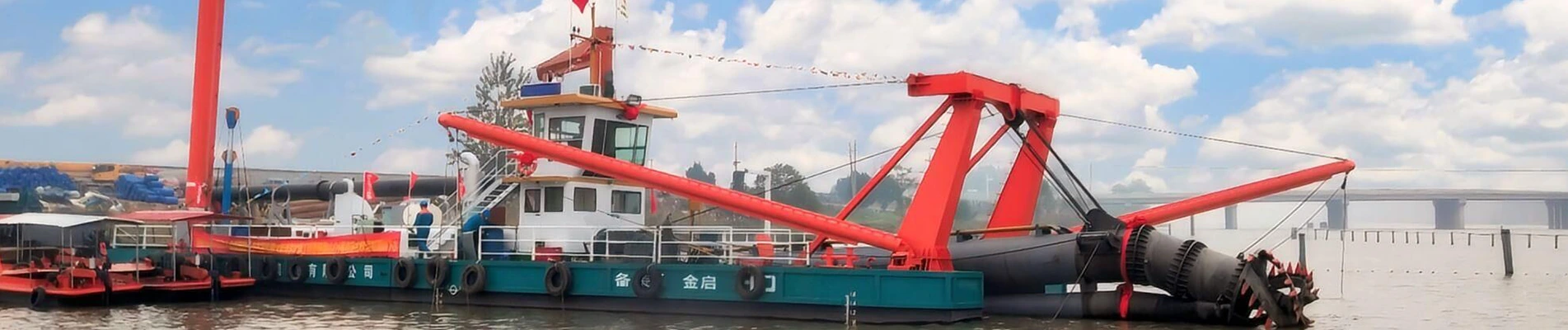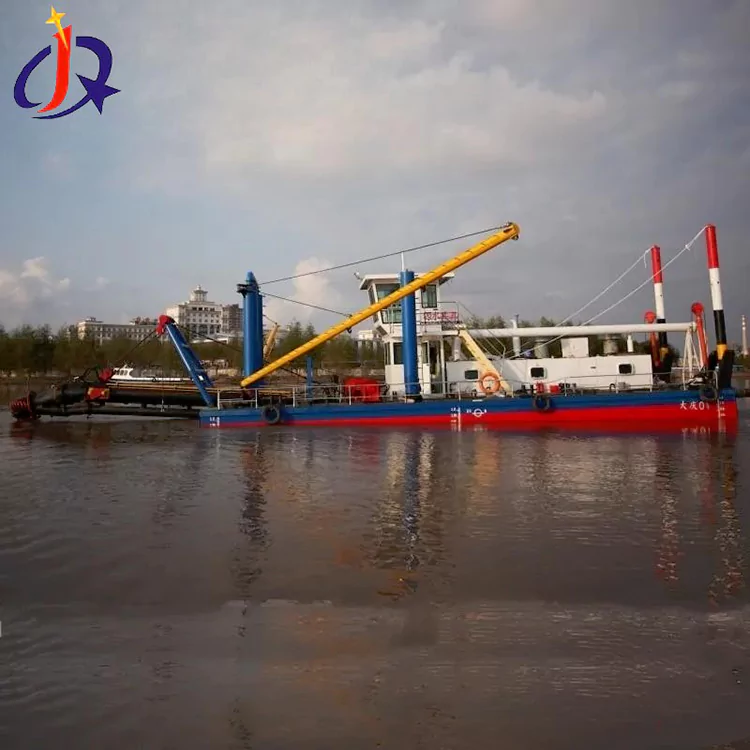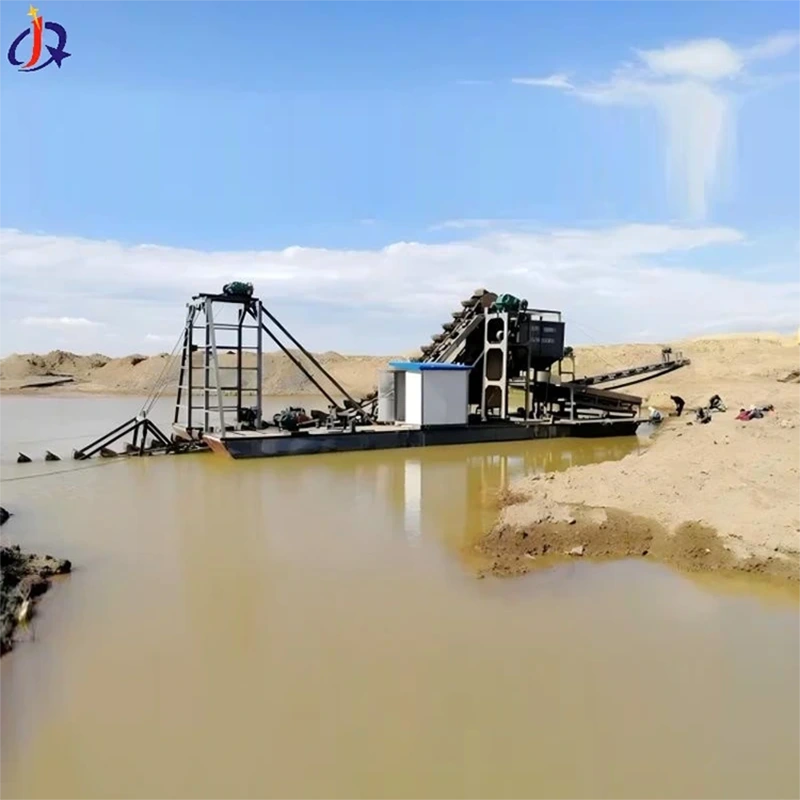
In the intricate balance of water ecosystems, sedimentation is both a natural process and a persistent challenge. Excessive accumulation of silt, sand, and organic debris can cripple waterways, suffocate ports, and disrupt delicate ecological balances. The Sediment Dredger emerges not merely as a tool for removal, but as a precision engineer for aquatic environments, meticulously restoring functionality, capacity, and health to our lakes, rivers, harbors, and reservoirs.
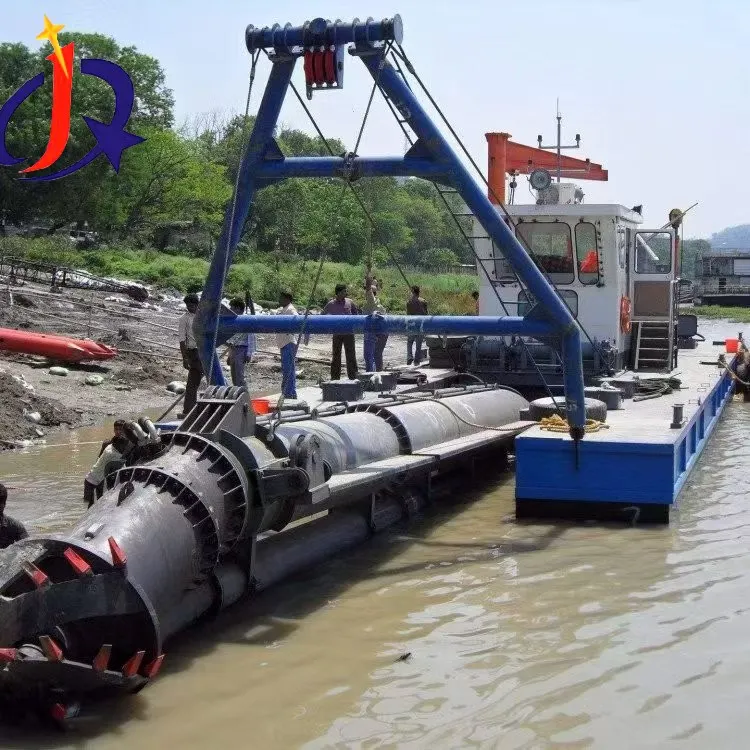
Unlike heavy-duty mining dredgers built for tough excavation, the Sediment Dredger is a specialist in finesse and efficiency. Its primary mission is the accurate, controlled, and often environmentally sensitive removal of loose, unconsolidated materials. Modern sediment dredging operations prioritize minimizing turbidity – the clouding of water caused by disturbed particles. To achieve this, advanced dredgers employ technologies like enclosed cutter heads, silt curtains, and precision suction systems that target specific sediment layers with minimal spillage and ecological disruption.
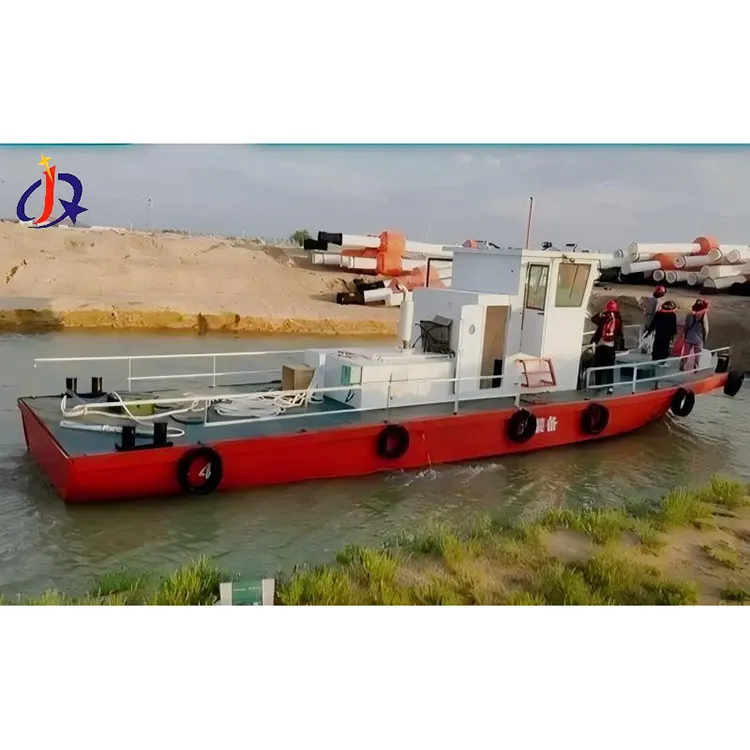
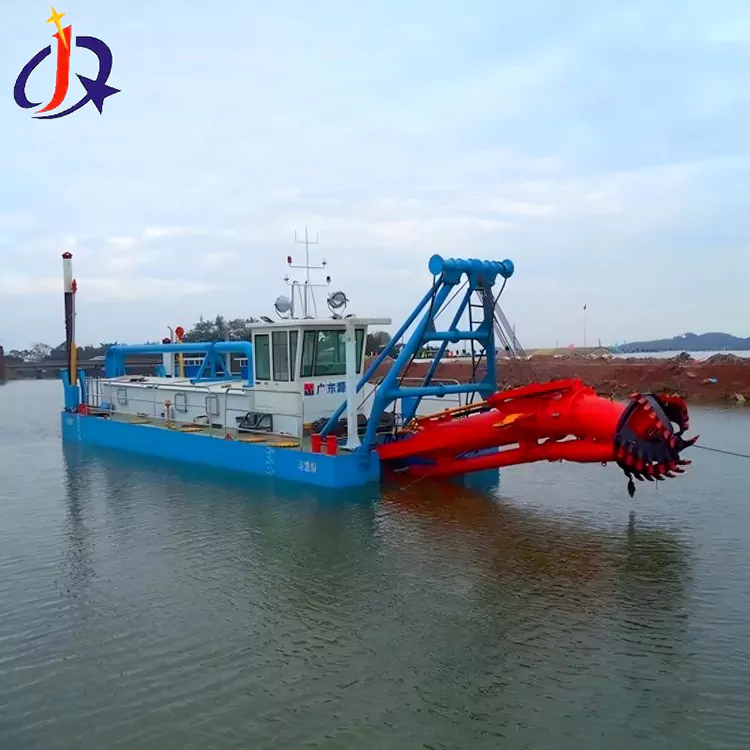
The versatility of these machines is reflected in their configurations. Trailer-mounted suction dredgers offer unmatched mobility for inland water projects, allowing rapid deployment to remote lakes or narrow river channels. For larger-scale, continuous operations, cutter suction dredgers (CSDs) with eco-friendly cutter designs provide the power to loosen compacted silt while integrated monitoring systems control the suction flow for clean extraction. In scenarios requiring utmost precision, auger dredgers or horizontal cutter dredgers operate with a shaving action, removing thin, uniform layers of sediment without disturbing the underlying substrate.
The application scope of sediment dredgers is vast and critical:
Port & Waterway Maintenance: Ensuring safe navigational depths by clearing shipping channels and turning basins.
Reservoir & Lake Restoration: Reclaiming water storage capacity, improving water quality, and restoring recreational value by removing nutrient-rich silt that causes eutrophication.
Environmental Remediation: Carefully removing contaminated sediments from industrial sites as part of comprehensive cleanup projects, often paired with on-board treatment systems.
Flood Risk Management: Increasing the flow capacity of rivers and drainage canals to reduce flood risks in vulnerable communities.
Infrastructure Projects: Providing prepared foundations for bridges, pipelines, and waterfront structures.
At Qingzhou Jinqi, we engineer sediment dredgers with this philosophy of precision and responsibility. Our builds integrate robust machinery with intelligent control systems. From the high-efficiency slurry pumps and abrasion-resistant piping to the operator-centric control cabins, every component is selected and assembled to deliver reliable performance, operational efficiency, and environmental compliance. We understand that successful dredging is measured not just in cubic meters removed, but in clarity regained, capacity restored, and ecosystems preserved.
Choosing the right sediment removal partner is crucial. It requires equipment that is adaptable to your specific site conditions—whether dealing with fine, flowing silt or slightly consolidated clay—and a supplier committed to supporting the entire project lifecycle. We provide comprehensive solutions, from initial bathymetric analysis and equipment configuration to operator training and technical support, ensuring your dredging project achieves its goals effectively and sustainably.
In essence, the modern sediment dredger is a catalyst for aquatic renewal. It is the silent force that keeps the arteries of global trade flowing, protects communities from water-related hazards, and stewards the health of our precious water resources. It transforms stagnant, sediment-choked waters back into vibrant, functional, and resilient ecosystems.
We use cookies to offer you a better browsing experience, analyze site traffic and personalize content. By using this site, you agree to our use of cookies.
Privacy Policy