Follow Us:

News

How Does a Small Mini Aquatic Weed Harvester Improve Weed Removal in Small Waterways?

2026-10-19 0 Leave me a message

Removing excessive aquatic vegetation from narrow rivers, irrigation channels, fish ponds and landscape waters can be difficult with large harvesting equipment or manual methods. A small mini aquatic weed harvester is designed for these restricted environments, combining cutting and collection functions in a compact vessel. Understanding its working process, dimensions and operating requirements helps determine whether it suits a particular waterway maintenance project.
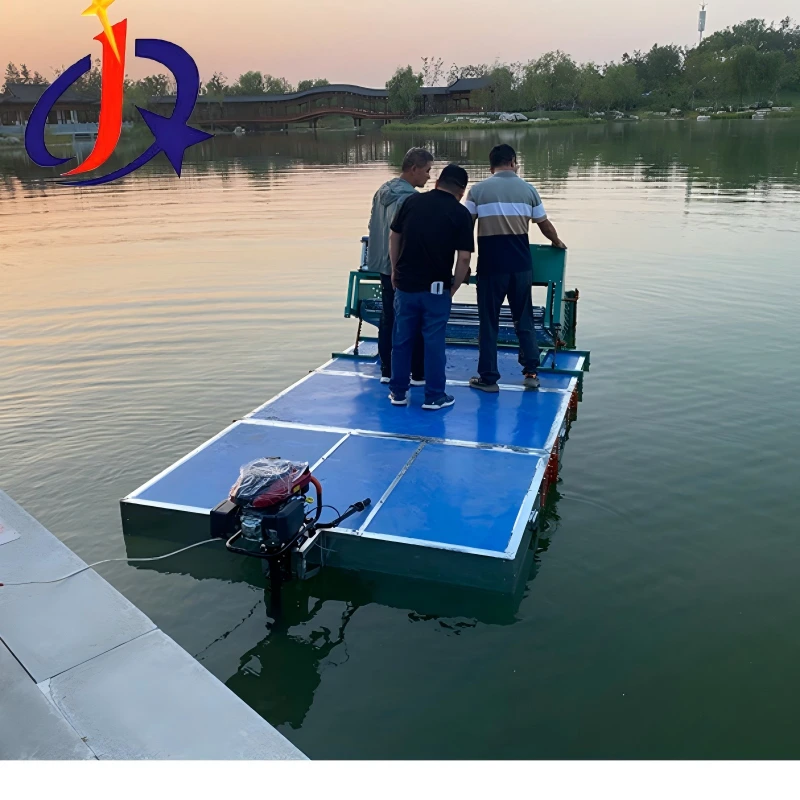
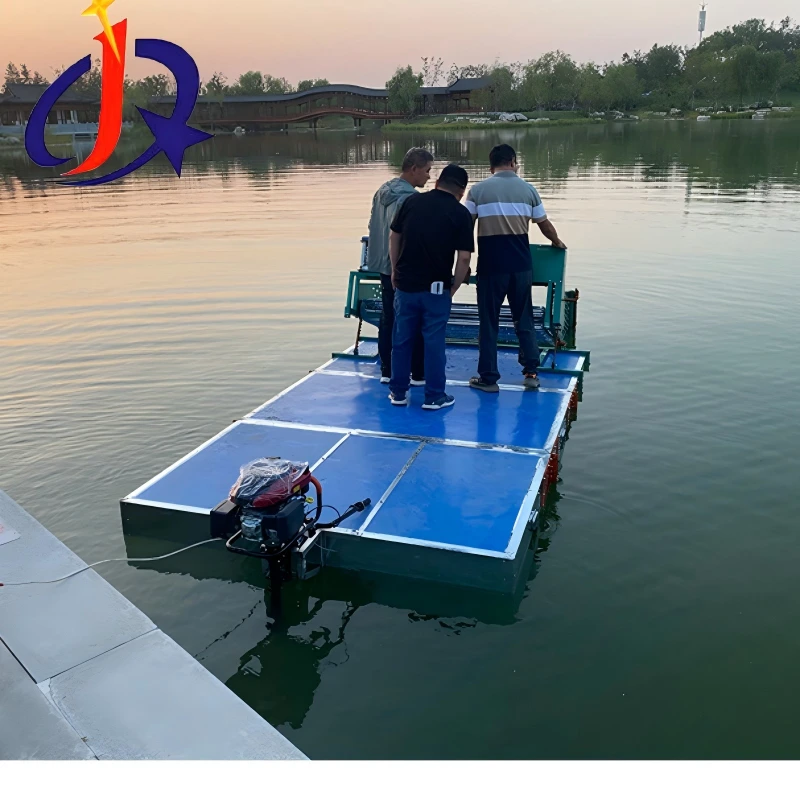
Small mini aquatic weed harvester for aquatic vegetation removal in confined waterways.

1. Why Is Small-Scale Aquatic Weed Removal Challenging?

Aquatic vegetation can obstruct water flow, interfere with fishing and aquaculture activities, and affect the appearance of managed water areas. However, the conditions in smaller waterways often make conventional weed-clearing equipment difficult to use.

Restricted access: Narrow channels, shallow banks and tight pond corners may not provide enough space for large harvesting vessels to maneuver.
Labor-intensive collection: Manual cutting and removal require repeated handling of wet vegetation and may be inefficient when weeds grow back quickly.
Different vegetation conditions: Floating plants, submerged weeds and dense surface growth may require different cutting approaches and operating speeds.
Frequent maintenance needs: Aquaculture ponds, irrigation canals and landscape waters may need routine clearing rather than occasional large-scale removal.

A compact harvester can help address these challenges when its hull dimensions, cutting depth and collection arrangement match the water conditions. Site depth, plant density and access routes should still be checked before deployment.

2. How Does a Mini Aquatic Weed Harvester Work?

The small mini aquatic weed harvester combines vegetation cutting with onboard collection and conveying. Instead of relying entirely on workers to cut and retrieve plants manually, the equipment brings several steps together in one operating process.

Step 1: Navigate to the Work Area

The operator guides the compact vessel through the target waterway and positions the cutting platform near the vegetation. Its relatively small hull is intended for restricted water areas, subject to the actual channel width, water depth and turning space.

Step 2: Cut the Aquatic Vegetation

The cutting assembly removes vegetation within its working range. The underwater cutting depth is listed at approximately 0.3–0.4 m, with rotating speed adjustable according to the product specifications. Actual cutting performance depends on plant type, density and operating conditions.

Step 3: Convey and Collect the Cut Material

The conveying system transfers cut vegetation toward the collection area on the vessel. Synchronized cutting and collection can reduce the need for separate manual retrieval, although the operator must monitor material buildup and unload the collected weeds as required.

Step 4: Unload and Prepare for the Next Pass

After the collection area reaches its practical capacity, the harvested material needs to be removed before work continues. Unloading frequency depends on weed density, moisture content, the amount of vegetation collected and the storage arrangement.

3. Technical Parameters and Dimensions

The following values are published for Jinqi's small mini aquatic weed harvester. Confirm the final configuration with the manufacturer before ordering, particularly if your project has specific transport, runtime or water-depth requirements.

Parameter Published Specification
Hull Length 6.5 m
Hull Width 2 m
Main Cutting Platform 2 m long × 1.5 m wide
Underwater Cutting Depth 0.3–0.4 m
Cutting Speed Rotating speed adjustable
Electrical System 48 V, 32 Ah; one 500 W motor set
Drive System One 7.5 hp gasoline engine set
Published Working Time Approximately 5 hours on a full battery charge
Weed Receiving Tray, Conveyor Chains and Conveying Pipes Stainless steel
Frame Galvanized
Cutter Heads Manganese steel
Guardrails Stainless steel

Configuration note: The published specification lists both a battery-powered electrical system and a gasoline-engine drive system. Confirm how these systems are arranged in the supplied model, and clarify whether the stated working time refers to the battery-powered functions or the complete operating cycle.

4. Design Features for Small Waterways

Compact Hull and Shallow-Water Access

The 6.5 m hull and 2 m width provide a reference for planning transport and access. A compact design can be useful around fish ponds, narrow channels and landscape pools where a larger vessel may have difficulty maneuvering. Actual suitability depends on the waterway's minimum width, depth, turning radius and obstacles.

Integrated Cutting and Collection

Cutting and conveying vegetation within one machine reduces the need to coordinate separate cutting and retrieval operations. This arrangement is particularly relevant where floating weeds accumulate in defined areas and regular clearing is required.

Materials Selected for Wet Operating Conditions

The listed use of stainless steel in the weed receiving tray, conveyor chains, conveying pipes and guardrails supports routine operation in wet environments. The galvanized frame and manganese-steel cutter heads serve different structural and cutting roles. Regular inspection remains necessary because prolonged exposure to water, plant debris and sediment can still affect components.

Adjustable Operating Speed

Adjustable cutting rotation speed gives operators a way to adapt the working process to changing vegetation conditions. The suitable setting should be determined through the manufacturer's guidance and site testing rather than assuming one speed will work equally well for every plant type.

5. Where Can This Equipment Be Used?

Application Typical Maintenance Need Points to Check
Fish and Aquaculture Ponds Remove excessive aquatic weeds that interfere with pond management. Water depth, fish-farm access, vegetation density and unloading arrangements.
Landscape Pools Control unwanted plant growth and maintain the appearance of managed water. Edges, ornamental structures, public access and noise restrictions.
Rural Creeks Clear selected sections affected by overgrown aquatic vegetation. Channel width, bends, current conditions and submerged obstacles.
Irrigation Canals Remove weeds that obstruct routine water conveyance and maintenance. Water level, bank access, operating schedule and downstream debris handling.
Small Municipal Water Areas Support scheduled vegetation removal in smaller managed waterways. Site safety, local environmental requirements and collection disposal procedures.

For projects involving dense reeds, extensive floating plants or deep submerged vegetation, verify the required cutting depth and capacity before choosing a mini model. Larger or specialized aquatic weed cutting boats may be more suitable for different site conditions.

6. How to Select the Right Configuration

Before purchasing a small mini aquatic weed harvester, provide the manufacturer with practical information about the worksite. These details help determine whether the standard configuration is suitable or whether customization should be considered.

Waterway dimensions: Record the narrowest passage, operating depth, turning space and launch or recovery access.
Vegetation type: Identify whether the main target is duckweed, water hyacinth, submerged grass or a mixture of plants.
Cutting requirements: Compare the listed 0.3–0.4 m underwater cutting depth with the actual depth and growth pattern of the weeds.
Daily working schedule: Estimate the required working hours, collection volume and frequency of unloading. Confirm the battery and drive configuration with the supplier.
Transport and storage: Check whether the hull can reach the site and whether the manufacturer can provide a suitable disassembly or transport arrangement.
Customization needs: Discuss dimensions, functional adjustments and any project-specific requirements before production.

7. Operating and Maintenance Considerations

Before Operation

Inspect the cutting assembly, conveyor chains, collection area and visible electrical connections. Check the battery status and confirm that the drive system is ready for use. Remove loose debris from the working area where possible and ensure that operators understand the equipment's controls and safety procedures.

During Operation

Monitor the cutting and conveying process for blockages, abnormal vibration or unexpected resistance. Avoid forcing the machine through water that is too shallow or contains unverified submerged obstacles. Keep personnel clear of moving cutting and conveying components.

After Operation

Remove trapped weeds and sediment, rinse components where appropriate, and inspect cutting edges and conveyor parts for wear. Follow the manufacturer's instructions for battery charging, electrical protection, lubrication and engine maintenance where applicable.

Plan for Collection and Disposal

Cut vegetation still needs to be unloaded, transported and managed after harvesting. Plan a suitable collection point and disposal or reuse method before work begins to avoid leaving removed weeds along the banks or allowing them to return to the water.

8. Frequently Asked Questions

Q1: What is a small mini aquatic weed harvester used for?

It is designed to cut and collect excessive aquatic vegetation in smaller water areas such as fish ponds, landscape pools, rural creeks and irrigation canals.

Q2: What are the dimensions of this mini harvester?

The published hull dimensions are 6.5 m long and 2 m wide. The main cutting platform is listed as 2 m long and 1.5 m wide.

Q3: How deep can the machine cut underwater?

The published underwater cutting depth is approximately 0.3–0.4 m. Confirm the working range against the target plant type and site conditions.

Q4: How long can it work on a full battery charge?

The product information lists approximately five working hours on a full charge. Confirm the applicable operating mode and actual runtime with the manufacturer.

Q5: Can the aquatic weed harvester be customized?

Yes. Jinqi states that customization is available according to actual requirements. Discuss the required dimensions, functions and site conditions before confirming the order.

Q6: What information should be provided when requesting a quotation?

Provide the waterway dimensions and depth, main vegetation types, expected working hours, transport limitations and any special configuration requirements. Photos or a site layout can also help the supplier assess suitability.

Discuss Your Aquatic Weed Removal Project

Share your waterway dimensions, vegetation conditions and operating requirements with Jinqi to discuss whether the small mini aquatic weed harvester fits your project.

Contact Us
Related News
Leave me a message
X
We use cookies to offer you a better browsing experience, analyze site traffic and personalize content. By using this site, you agree to our use of cookies. Privacy Policy
RejectAccept