Follow Us:

News

What Makes Small Shallow-Water Cutter Suction Dredger the Best Choice for Efficient Dredging Projects?

2026-06-17 0 Leave me a message

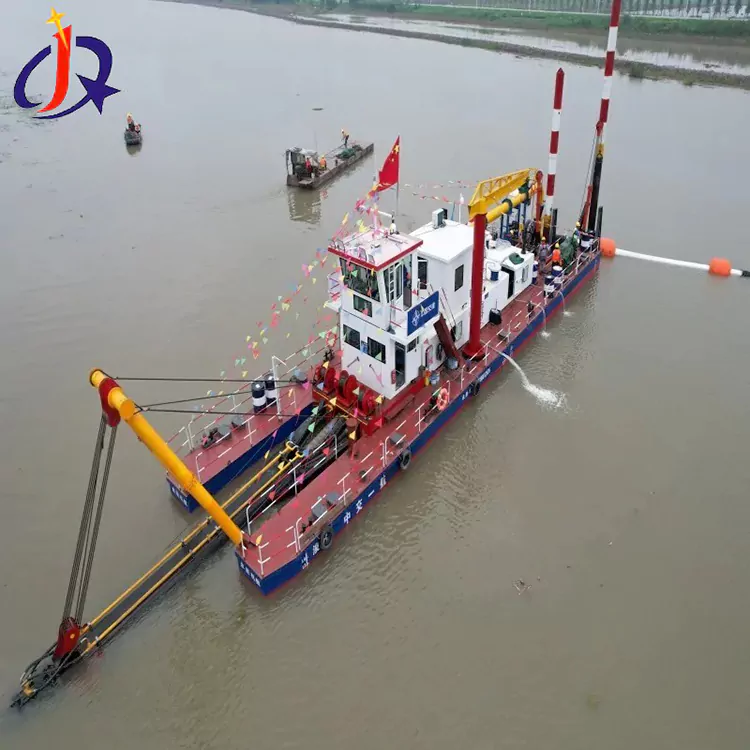
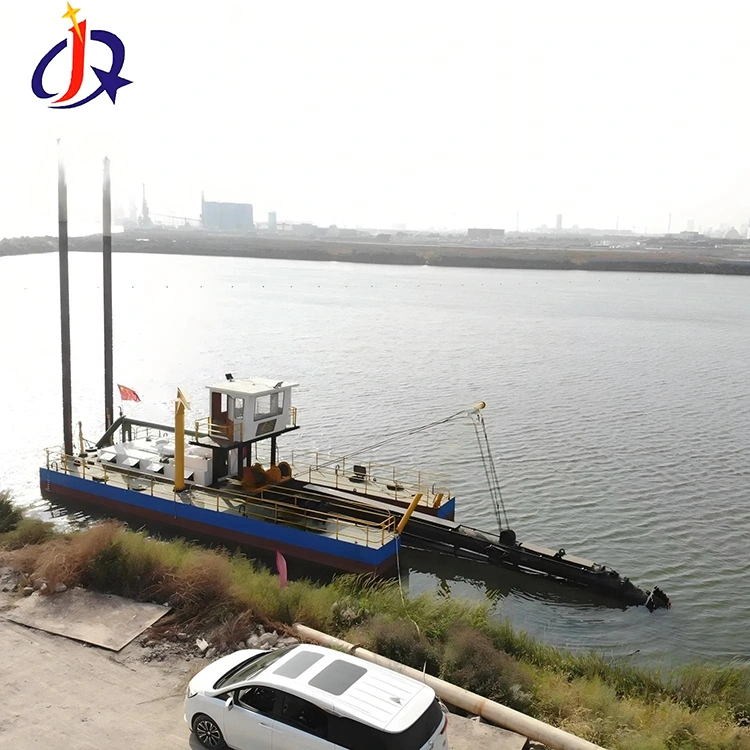
The Small Shallow-Water Cutter Suction Dredger has become one of the most practical and cost-efficient solutions for modern dredging operations in rivers, lakes, ponds, and coastal shallow zones. This article explores its working principles, technical advantages, application scenarios, maintenance requirements, and selection guidance. It is designed to help project owners, contractors, and engineering companies understand how this equipment solves common dredging challenges such as low water depth, sediment blockage, limited accessibility, and operational efficiency. By the end, readers will gain a complete understanding of why this dredger type is widely adopted in infrastructure, environmental, and waterway restoration projects.

Small Shallow-Water Cutter Suction Dredger


Table of Contents


1. Overview of Small Shallow-Water Cutter Suction Dredger

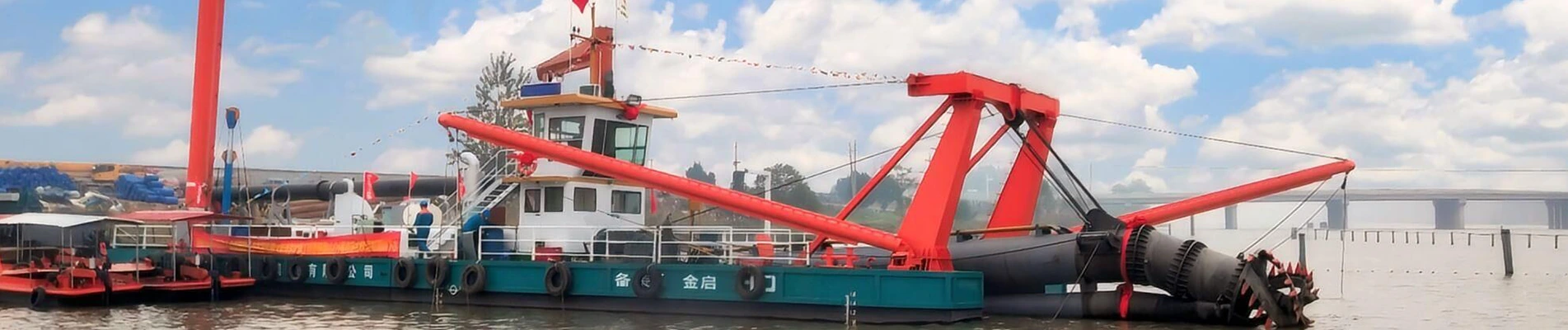
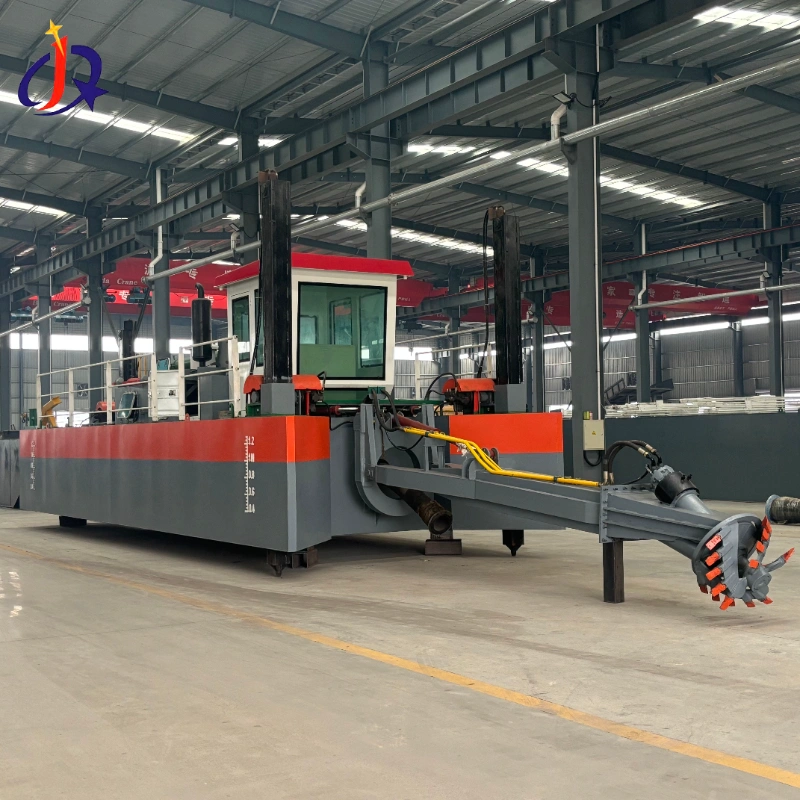
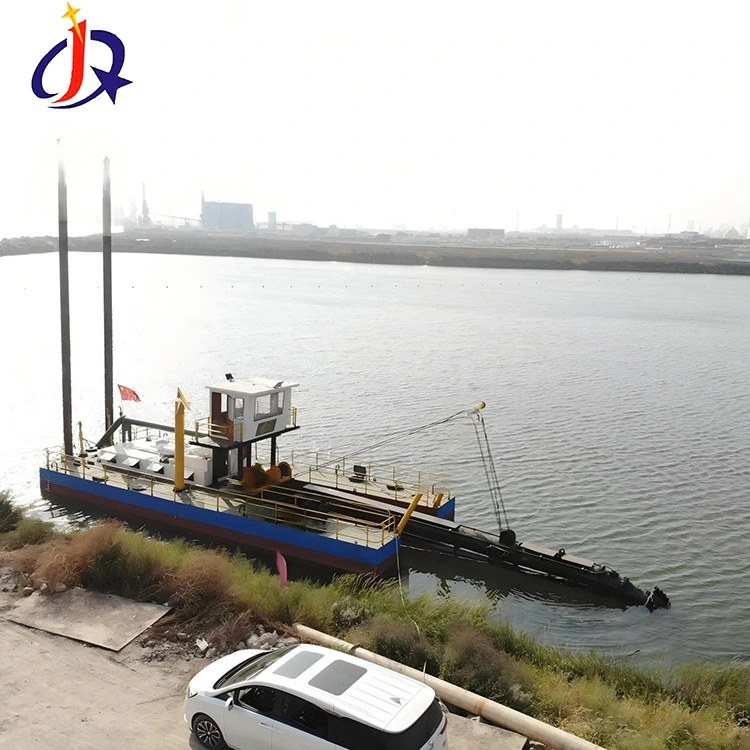
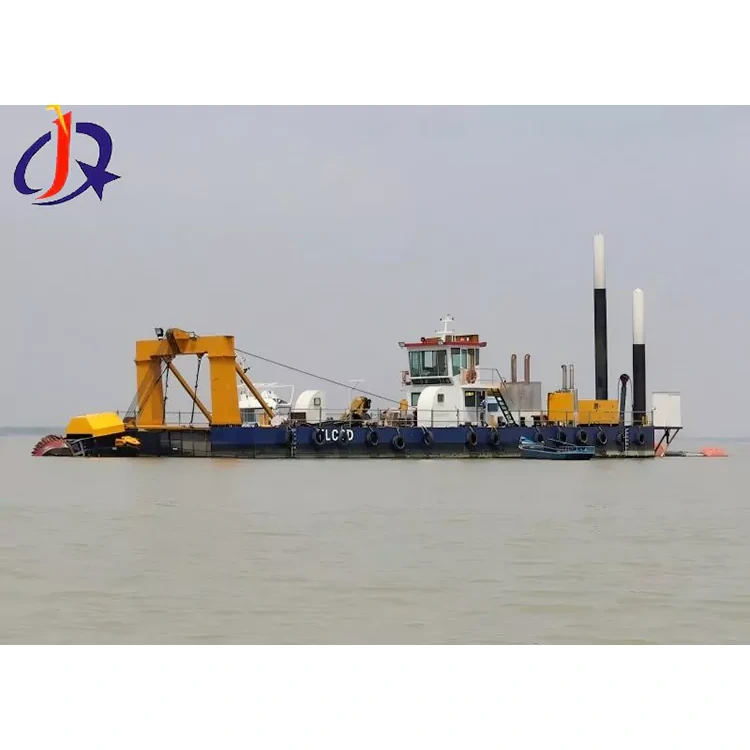
The Small Shallow-Water Cutter Suction Dredger is a specialized dredging machine designed for operations in low-depth water environments where conventional dredgers cannot operate effectively. It is widely used for river dredging, lake desilting, canal maintenance, reservoir cleaning, and land reclamation projects.

This equipment integrates cutting, suction, and pumping functions into a continuous operation system. Unlike large offshore dredgers, it is compact, flexible, and capable of operating in narrow or shallow waterways with limited draft conditions.

Its importance has increased significantly due to rising demand for environmental dredging, urban water restoration, and infrastructure development in inland water systems.


2. How It Works: Core Operating Principle

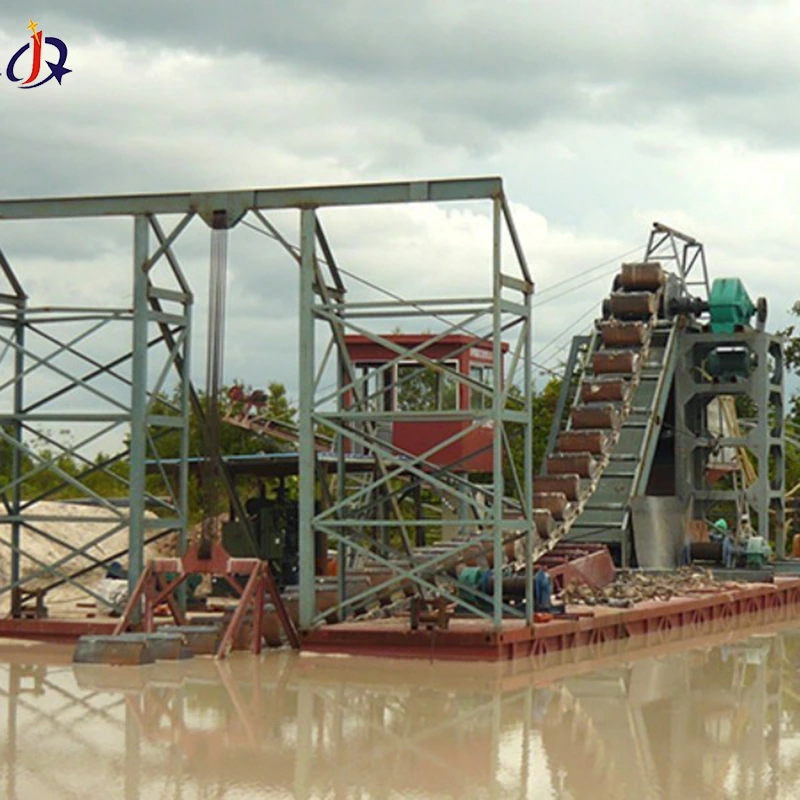
The working principle of a cutter suction dredger is based on mechanical excavation combined with hydraulic transport. The system performs three key steps continuously:

  • Cutting: A rotating cutter head loosens and breaks compacted sediment, clay, sand, or silt.
  • Suction: A powerful pump system draws the loosened material into a suction pipeline.
  • Transport: The dredged slurry is transported through discharge pipelines to a designated disposal or reclamation site.

This continuous process allows efficient dredging without frequent interruption, making it suitable for large-scale sediment removal projects in shallow water areas.


3. Key Features and Technical Advantages

The Small Shallow-Water Cutter Suction Dredger is engineered to solve common dredging limitations. Its major features include:

  • Low draft design for shallow water operation
  • High-efficiency cutter head for compact soil layers
  • Strong suction pump system for long-distance discharge
  • Modular structure for easy transport and assembly
  • Hydraulic or electric drive options depending on project needs
  • Stable floating platform for continuous operation

These advantages allow it to maintain high productivity even in challenging environments where sediment composition and water depth vary significantly.


4. Application Scenarios in Real Projects

This dredging equipment is widely used across multiple industries. Below are common application areas:

  • River dredging and navigation channel maintenance
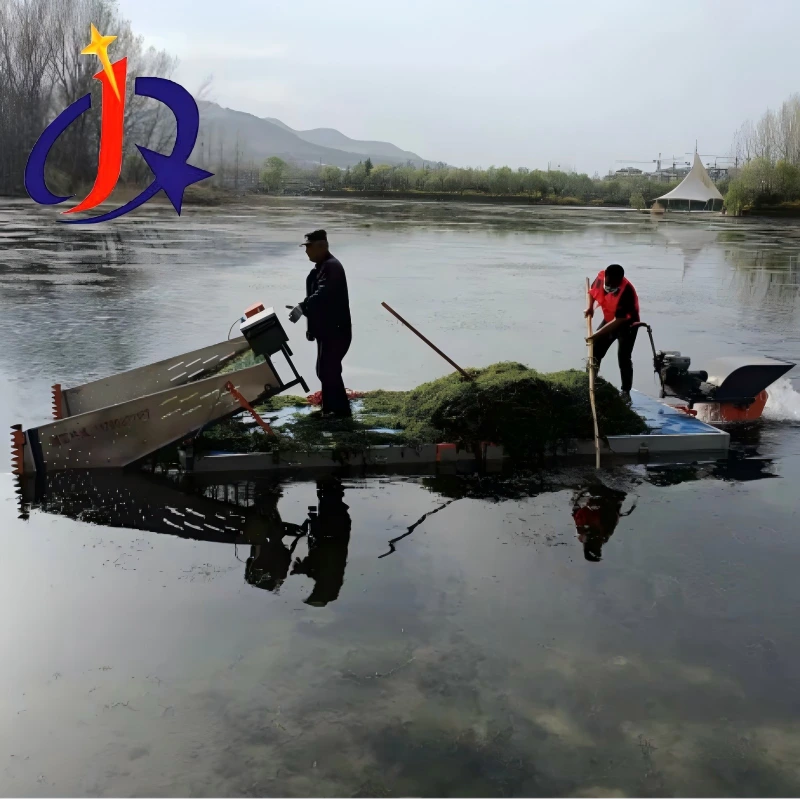
  • Urban lake restoration and environmental cleanup
  • Coastal shallow water land reclamation
  • Port sediment removal in restricted water depth areas
  • Agricultural irrigation canal desilting
  • Industrial wastewater pond cleaning

Its flexibility allows contractors to deploy it in both environmental protection projects and commercial infrastructure developments.


5. Why It Outperforms Traditional Dredging Methods

Compared with manual dredging or mechanical excavators, the Small Shallow-Water Cutter Suction Dredger offers significant improvements in efficiency, safety, and cost control.

Key advantages include:

  • Continuous operation reduces downtime
  • Lower labor requirement improves safety conditions
  • Higher dredging accuracy minimizes environmental disturbance
  • Pipeline transport reduces secondary handling costs
  • Suitable for long-distance sediment discharge

These benefits make it a preferred choice for modern water management and dredging contractors.


6. How to Choose the Right Model

Selecting the right dredger depends on multiple engineering and environmental factors. Below are key considerations:

Factor Description Impact on Selection
Water Depth Defines whether shallow-water design is required Affects dredger size and draft
Sediment Type Sand, clay, silt, or mixed soil Determines cutter head strength
Discharge Distance Distance to dumping site Affects pump power and pipeline system
Project Scale Small or large dredging volume Determines capacity requirements

Proper evaluation ensures optimal performance and reduces long-term operational costs.


7. Maintenance and Operational Tips

Regular maintenance is essential for stable dredging performance and equipment longevity. Operators should follow these guidelines:

  • Inspect cutter head wear and replace blades when necessary
  • Check pump seals and pipeline integrity regularly
  • Ensure lubrication of hydraulic systems
  • Clean suction inlet to prevent clogging
  • Monitor engine load and operating pressure

Proper maintenance reduces unexpected downtime and improves operational safety in long-term projects.


8. Common Problems and Solutions

Even advanced dredging systems may encounter operational issues. Below are typical problems and solutions:

  • Reduced suction efficiency: Check for pipeline blockage or pump wear.
  • Excessive vibration: Inspect cutter head imbalance or loose components.
  • Low discharge distance: Evaluate pump pressure and pipeline leakage.
  • Overheating: Ensure cooling system is functioning properly.

Timely diagnosis prevents long-term damage and improves operational stability.


9. Technical Comparison Table

Feature Small Cutter Suction Dredger Excavator Dredging Bucket Dredger
Efficiency High continuous output Medium, intermittent Low to medium
Water Depth Suitability Excellent for shallow water Limited Moderate
Cost Efficiency High Medium Low
Environmental Impact Low disturbance Moderate High

10. Frequently Asked Questions (FAQ)

Q1: Can it operate in extremely shallow water?
Yes, it is specifically designed for shallow water environments where other dredgers cannot operate.

Q2: What materials can it dredge?
It can handle sand, silt, clay, and mixed sediment types.

Q3: Is it suitable for long-distance pumping?
Yes, with proper pipeline configuration, it can transport slurry over long distances.

Q4: How many operators are required?
Typically, 2–4 operators depending on automation level and project scale.

Q5: What is the service life of the equipment?
With proper maintenance, it can operate efficiently for many years.


Conclusion

The Small Shallow-Water Cutter Suction Dredger is a highly efficient and adaptable solution for modern dredging needs. Its ability to operate in low-depth environments, combined with strong suction performance and continuous operation capability, makes it essential for river maintenance, environmental restoration, and infrastructure development projects.

Its technical advantages, cost-effectiveness, and operational flexibility ensure it remains one of the most reliable dredging solutions in the global market.


Contact Information

For high-quality dredging equipment and customized engineering solutions, Qingzhou Jinqi Mining Machinery Co., Ltd. provides professional manufacturing, design, and after-sales support services.

Contact us today to get detailed specifications, project consultation, and competitive pricing tailored to your dredging requirements. Our engineering team is ready to support your project from planning to execution.

Related News
Leave me a message
X
We use cookies to offer you a better browsing experience, analyze site traffic and personalize content. By using this site, you agree to our use of cookies.Privacy Policy
RejectAccept