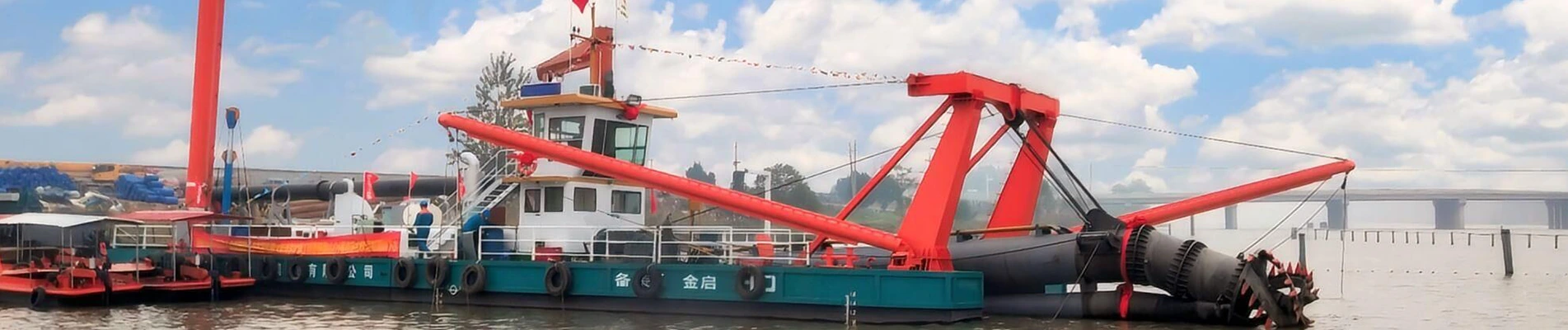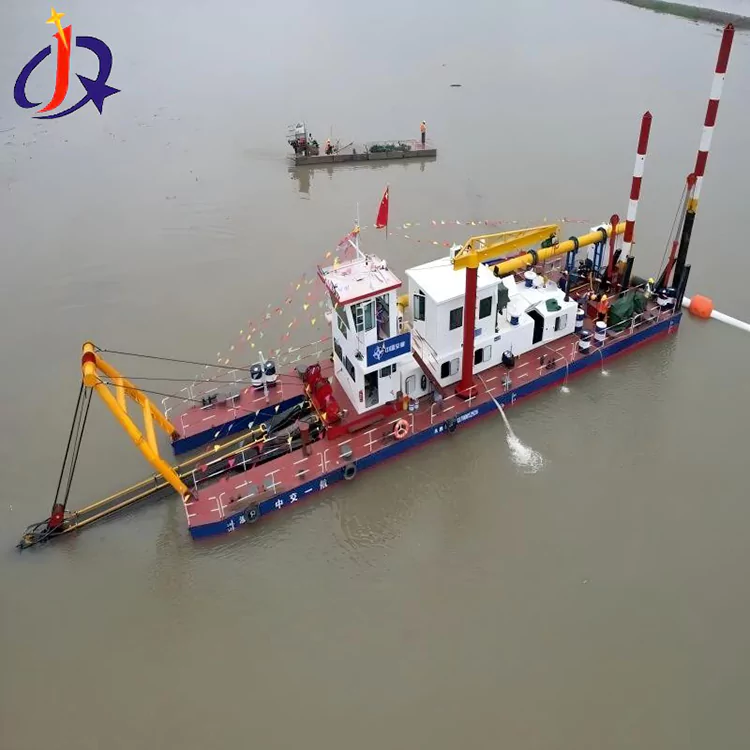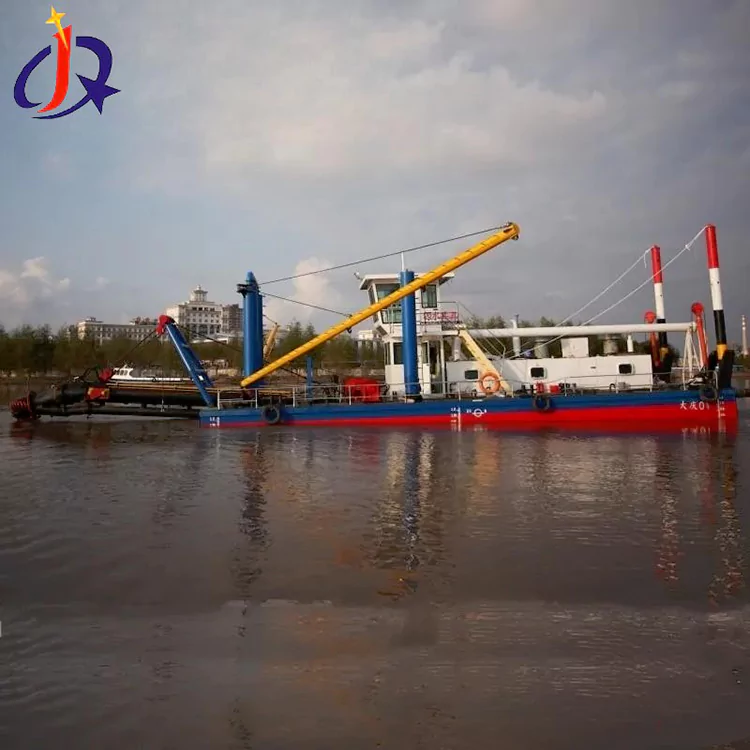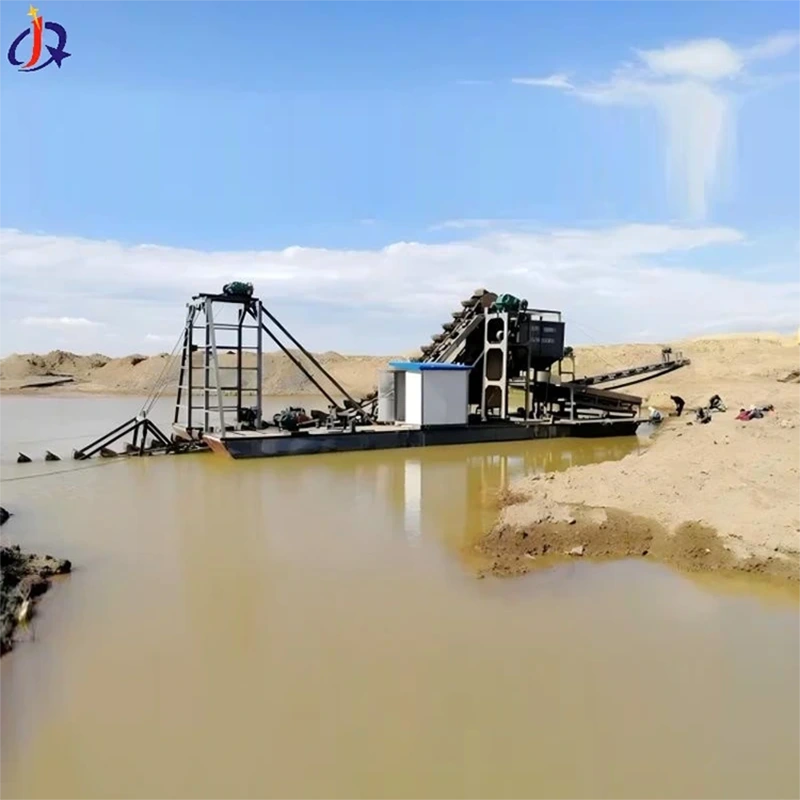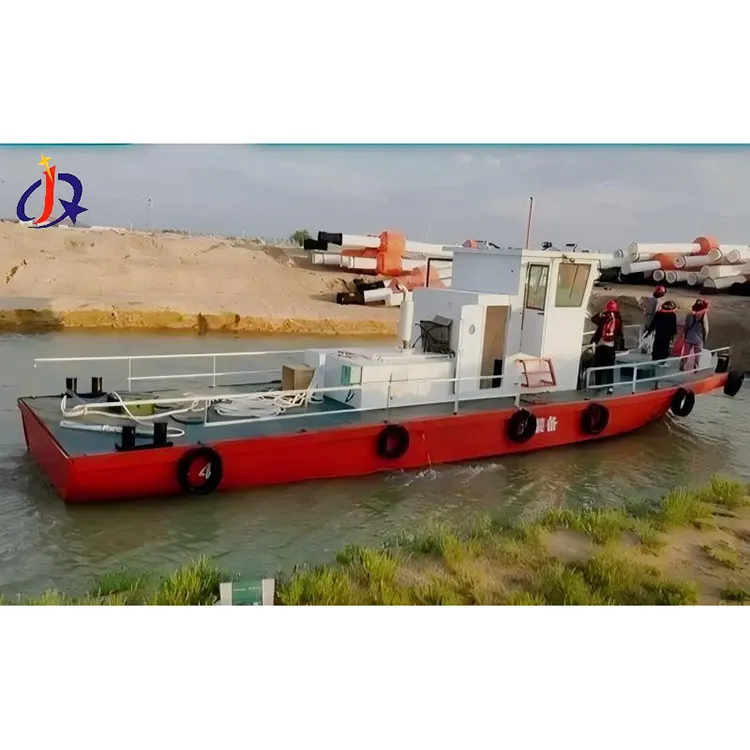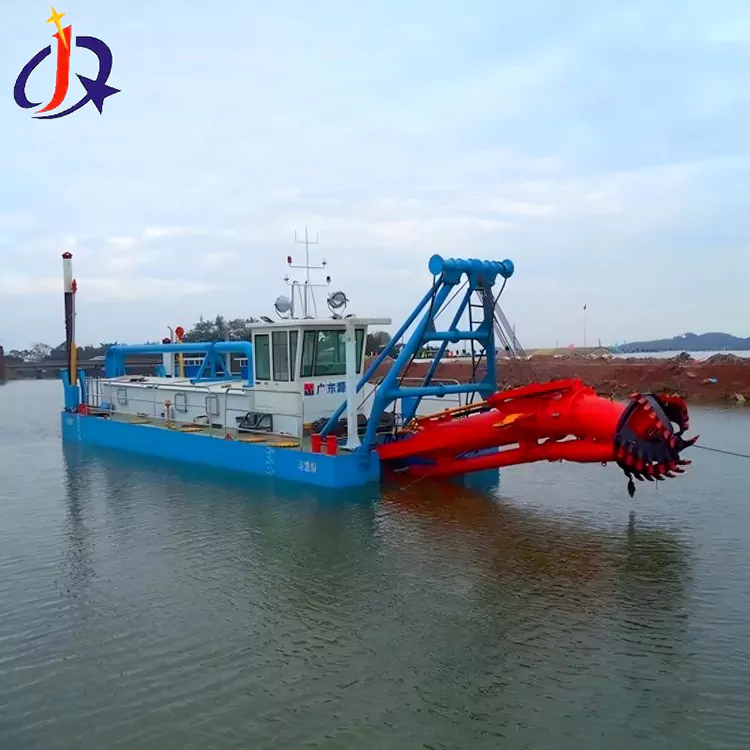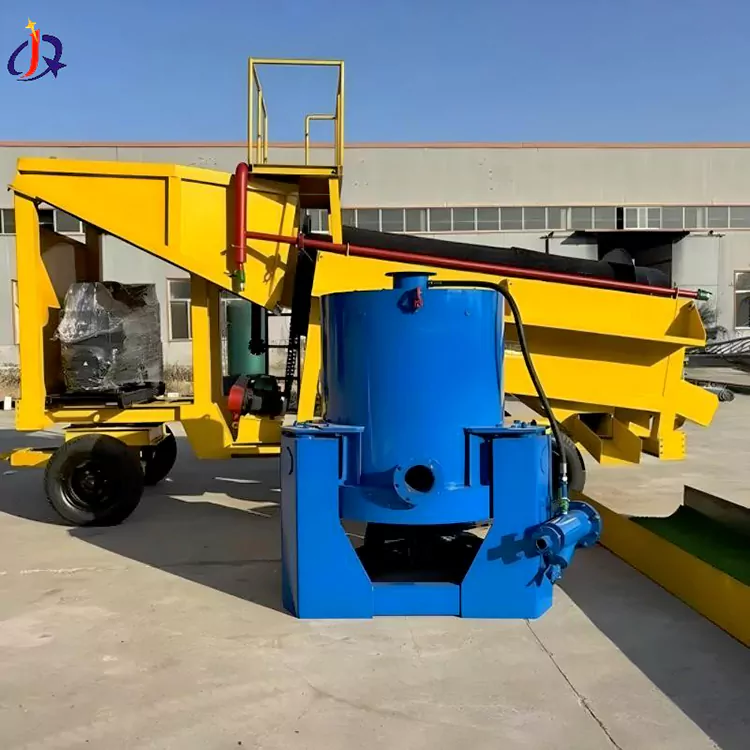
A dredging vessel is a specialized marine engineering ship designed to remove sediment, sand, silt, gravel, or debris from the bottom of rivers, lakes, ports, harbors, and coastal areas. The removed materials may be relocated, processed, or used for land reclamation and construction.
Unlike standard marine vessels, dredging vessels are equipped with powerful excavation, suction, pumping, and transportation systems. They are engineered to operate in challenging aquatic environments where sediment buildup threatens navigation safety, flood control, mining operations, or shoreline stability.
Dredging vessels are widely used in:
Global trade relies heavily on maritime transportation. Ports must maintain adequate depth for increasingly large cargo ships. Sediment naturally accumulates over time, reducing navigable depth and increasing the risk of grounding accidents.
A dredging vessel ensures:
Without regular dredging, infrastructure investments quickly deteriorate, and waterways become unsafe or economically inefficient.
Dredging vessels vary based on excavation method and operational environment. Selecting the wrong type can lead to inefficiencies, equipment damage, and budget overruns.
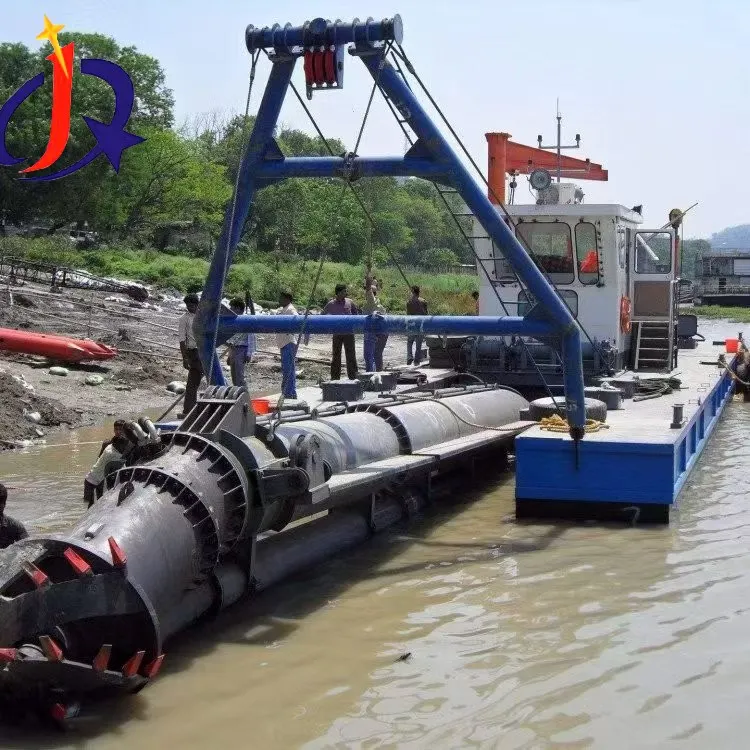
Equipped with a rotating cutter head that loosens compact soil before suction. Ideal for hard soil, clay, and compacted sediment.
Uses trailing suction pipes while sailing to collect loose sediment into a hopper. Suitable for maintenance dredging in open waters.
Employs a mechanical bucket system for heavy-duty excavation in ports and rivers.
Uses high-pressure water jets to loosen material before suction.
Operates in shallow waters, wetlands, and marsh areas.
The working principle depends on dredger type, but generally includes:
Modern dredging vessels are integrated with GPS positioning, automated control systems, and real-time monitoring to ensure precise excavation depth and area coverage.
| Component | Function | Importance |
|---|---|---|
| Cutter Head | Loosens compact sediment | Critical for hard soil projects |
| Dredge Pump | Transfers slurry mixture | Determines efficiency |
| Suction Pipe | Intakes material | Core excavation tool |
| Spud System | Stabilizes vessel | Ensures precision |
| Control System | Monitors operations | Improves safety & accuracy |
Choosing a dredging vessel requires evaluating several project-specific variables:
For example, compact clay requires a cutter suction dredger, while loose sand in open waters may require a trailing suction hopper dredger.
Qingzhou Jinqi Mining Machinery Co., Ltd. provides customized dredging vessel solutions tailored to geological and environmental conditions, ensuring optimal productivity.
| Type | Best For | Mobility | Cost Level | Efficiency |
|---|---|---|---|---|
| Cutter Suction | Hard soil & mining | Moderate | Medium | High |
| Trailing Hopper | Maintenance dredging | High | High | High |
| Bucket | Heavy excavation | Low | Medium | Moderate |
| Amphibious | Shallow wetlands | High | Medium | Moderate |
Challenge 1: High Fuel Consumption
Solution: Use energy-efficient pumps and optimized pipeline layouts.
Challenge 2: Abrasion and Wear
Solution: Use wear-resistant materials and regular inspection schedules.
Challenge 3: Environmental Restrictions
Solution: Deploy turbidity control systems and precision dredging technologies.
Modern dredging projects must comply with environmental laws governing water quality, marine ecosystems, and waste disposal.
Qingzhou Jinqi Mining Machinery Co., Ltd. integrates environmentally responsible designs to support sustainable project execution.
The total cost of a dredging vessel includes:
A properly selected dredging vessel improves ROI by:
Preventive maintenance significantly extends equipment lifespan.
Professional manufacturers such as Qingzhou Jinqi Mining Machinery Co., Ltd. provide technical training and after-sales support to ensure long-term operational reliability.
Qingzhou Jinqi Mining Machinery Co., Ltd. specializes in the research, development, and manufacturing of high-performance dredging vessels. The company offers:
From river sand mining to large-scale harbor dredging, Qingzhou Jinqi Mining Machinery Co., Ltd. delivers reliable and durable dredging vessel solutions that meet diverse operational requirements.
Q1: How long does a dredging vessel last?
With proper maintenance, a high-quality dredging vessel can operate efficiently for 15–25 years.
Q2: What sediment types can a cutter suction dredger handle?
It can handle sand, clay, silt, and compacted soil.
Q3: Can dredging vessels be customized?
Yes. Manufacturers such as Qingzhou Jinqi Mining Machinery Co., Ltd. offer tailored solutions based on project conditions.
Q4: Is dredging environmentally harmful?
When conducted responsibly with modern equipment and monitoring, environmental impacts can be minimized.
Q5: How do I determine the right dredging depth?
Hydrographic surveys and engineering assessments are required to define target depth.
A dredging vessel is far more than a ship—it is a strategic asset that supports infrastructure growth, economic development, and environmental management. Selecting the right vessel type, ensuring proper maintenance, and partnering with a reliable manufacturer are critical to project success.
Qingzhou Jinqi Mining Machinery Co., Ltd. stands ready to provide high-efficiency, customized dredging vessel solutions tailored to your specific project needs. If you are planning a dredging project and require expert guidance, advanced equipment, and long-term support, contact us today to discuss how we can help maximize your operational performance and investment return.
Phone: +86-19157129333
Mobile: +86-19157129333
E-mail: pennliu@jinqimachinery.com
Address:No. 1018 Wanhong Avenue, Qingzhou City, Shandong Province, China
Copyright © 2025 Qingzhou Jinqi Mining Machinery Co., Ltd. All Rights Reserved.