In modern mineral processing, efficiency, sustainability, and cost control are critical factors that determine operational success. Among the many gravity separation technologies available today, the Hydraulic Pulsating Sluice stands out as a highly effective solution for recovering fine and coarse particles from ore streams. Whether dealing with gold, tungsten, tin, or other heavy minerals, this innovative equipment provides a balance between simplicity and performance.
This comprehensive guide explores how a hydraulic pulsating sluice works, why it is essential in mineral processing, and how businesses can leverage it to solve common operational challenges such as low recovery rates, high energy consumption, and complex maintenance requirements.
This article explains the working principles, advantages, applications, and selection criteria of hydraulic pulsating sluices. It provides practical insights into how this equipment enhances mineral recovery while reducing operational costs. Readers will also learn how to choose the right system and optimize its performance for different mining scenarios.
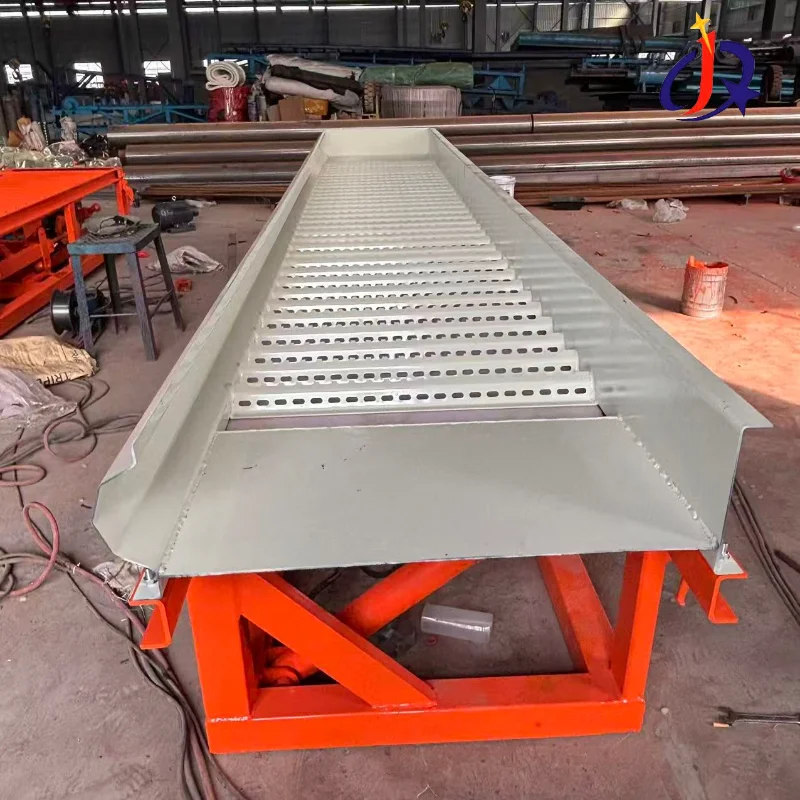
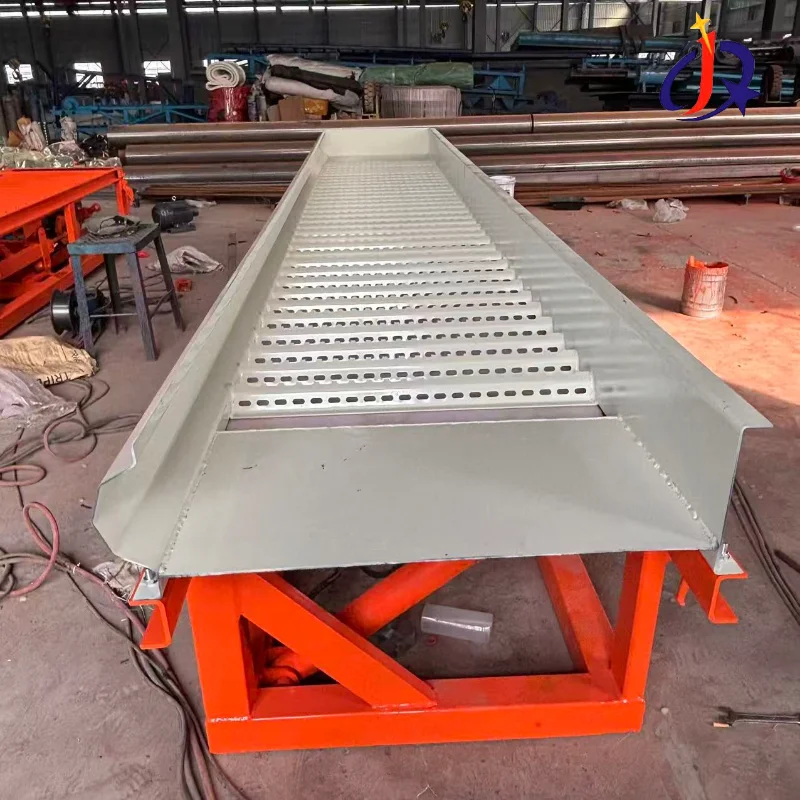
A Hydraulic Pulsating Sluice is a gravity separation device that uses periodic water pulsation to enhance the separation of heavy minerals from lighter materials. Unlike conventional sluices that rely solely on water flow and gravity, this system introduces controlled pulsation to loosen material layers and improve stratification.
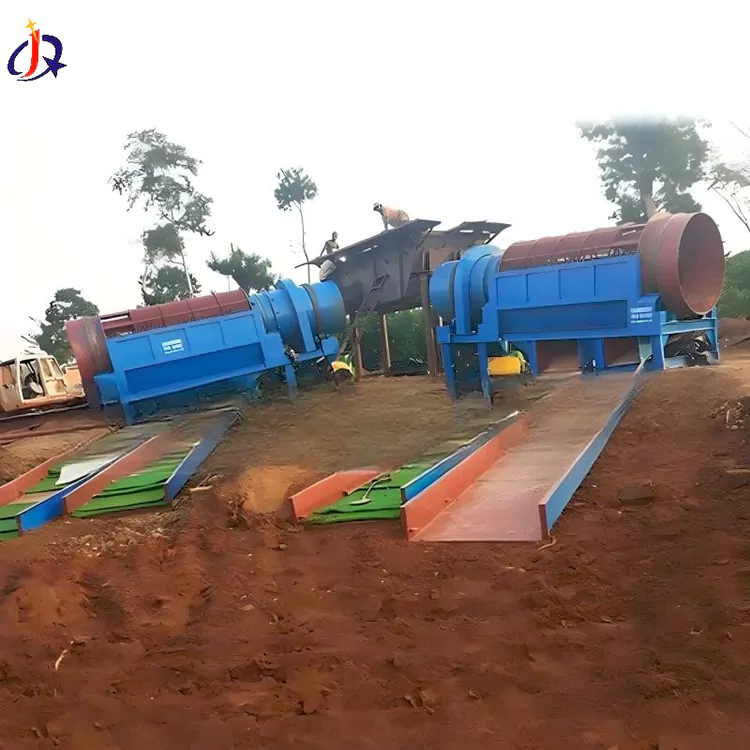
This technology is especially effective in recovering fine particles that are often lost in traditional processing systems. It is widely used in placer mining and mineral beneficiation plants.
Mining operations often struggle with low recovery rates, especially when dealing with fine particles. Traditional methods may fail to separate valuable minerals efficiently, leading to significant losses.
The hydraulic pulsating sluice addresses these issues by:
These benefits make it a crucial tool for modern mining operations aiming to maximize yield and profitability.
The working principle of a hydraulic pulsating sluice is based on the combination of gravity separation and pulsating water flow. The system creates alternating upward and downward water currents, which help separate particles based on density.
Here’s a simplified process:
This dynamic movement significantly improves separation efficiency compared to static systems.
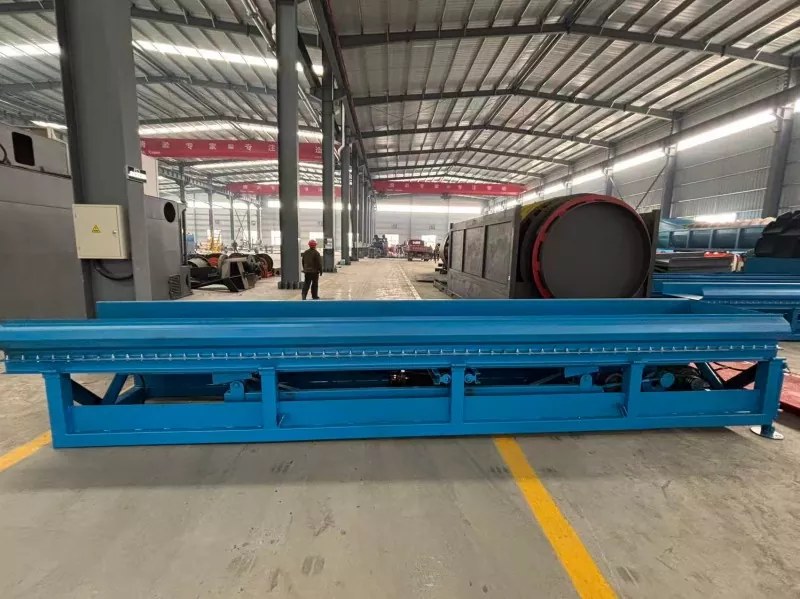
A typical hydraulic pulsating sluice consists of several critical components:
| Component | Function |
|---|---|
| Sluice Bed | Main separation area where materials settle |
| Pulsation System | Generates controlled water movement |
| Feed System | Introduces ore slurry into the equipment |
| Discharge Outlet | Removes tailings and concentrates |
| Control System | Regulates pulsation frequency and intensity |
Each component plays a vital role in ensuring optimal performance and consistent results.
Compared to conventional sluice boxes, hydraulic pulsating sluices offer several advantages:
These features make it an attractive choice for both small-scale and industrial mining operations.
Hydraulic pulsating sluices are versatile and can be used in various industries:
Their adaptability makes them suitable for different types of ores and processing environments.
Selecting the right hydraulic pulsating sluice depends on several factors:
Working with experienced manufacturers like Qingzhou Jinqi Mining Machinery Co., Ltd. ensures that you receive customized solutions tailored to your specific needs.
To achieve the best results, consider the following optimization strategies:
Proper tuning can significantly enhance recovery efficiency and reduce operational costs.
Routine maintenance is essential to ensure long-term performance:
Common issues and solutions:
| Problem | Solution |
|---|---|
| Low recovery rate | Adjust pulsation frequency and feed rate |
| Uneven material distribution | Check feed system alignment |
| Excessive water usage | Optimize flow control settings |
Q1: What types of minerals can be processed?
A: It is suitable for gold, tin, tungsten, iron, and other heavy minerals.
Q2: Is it suitable for small-scale mining?
A: Yes, it is widely used in both small and large operations due to its flexibility.
Q3: How does it compare to shaking tables?
A: It offers better performance for fine particles and requires less maintenance.
Q4: What is the typical lifespan?
A: With proper maintenance, it can operate efficiently for many years.
Q5: Can it be customized?
A: Yes, manufacturers can tailor the design to meet specific requirements.
The Hydraulic Pulsating Sluice is a powerful and efficient solution for mineral separation challenges. Its ability to enhance recovery rates, reduce costs, and simplify operations makes it an indispensable tool in modern mining.
If you are looking to upgrade your mineral processing system or improve recovery efficiency, partnering with a reliable manufacturer is crucial. Qingzhou Jinqi Mining Machinery Co., Ltd. offers advanced solutions designed to meet diverse industry needs.
Contact us today to discover how our hydraulic pulsating sluice technology can transform your mining operations and maximize your returns.
Phone: +86-19157129333
Mobile: +86-19157129333
E-mail: pennliu@jinqimachinery.com
Address:No. 1018 Wanhong Avenue, Qingzhou City, Shandong Province, China