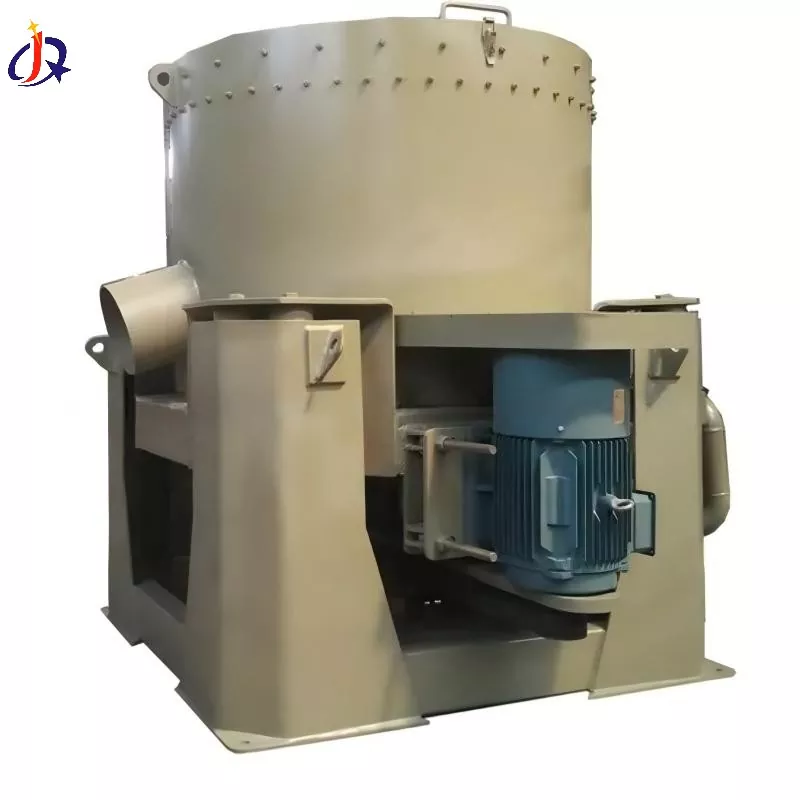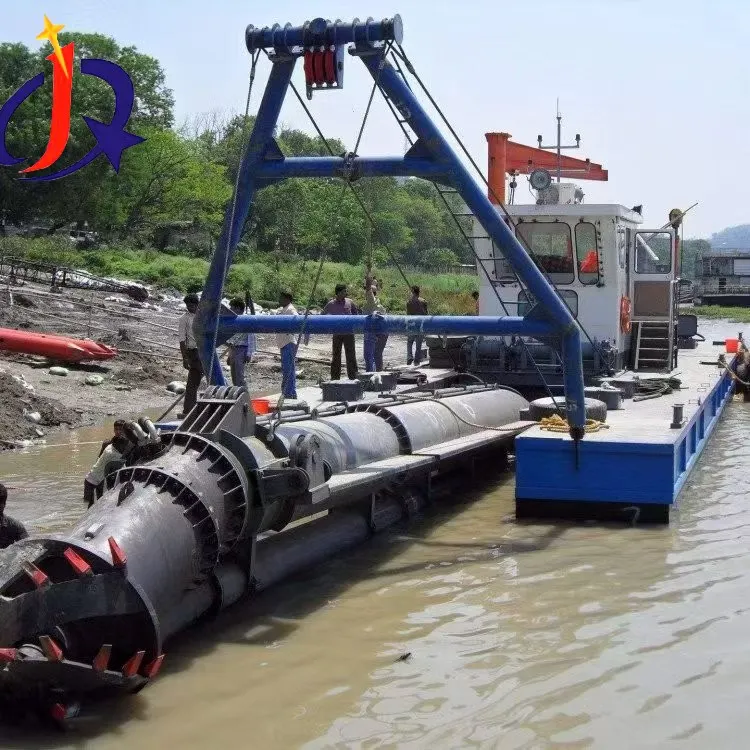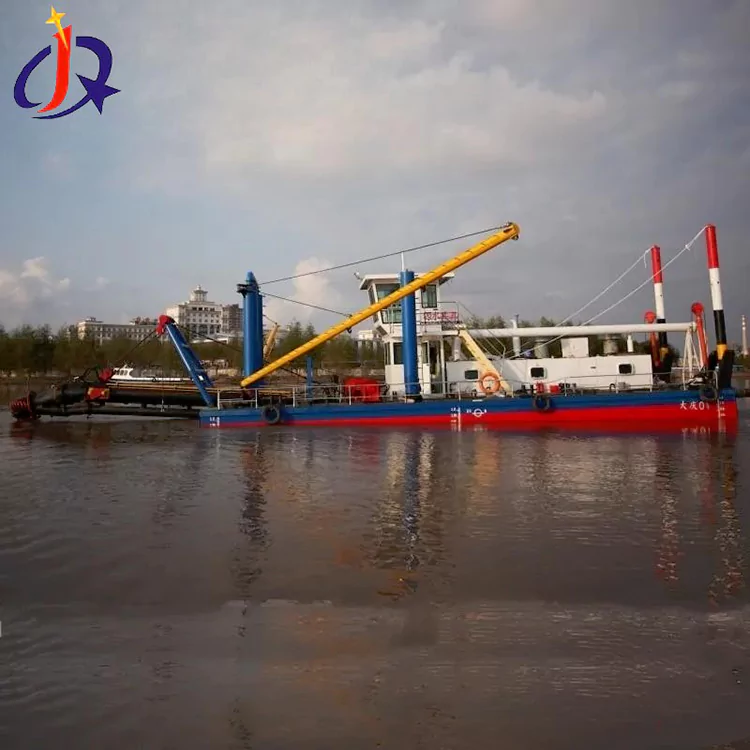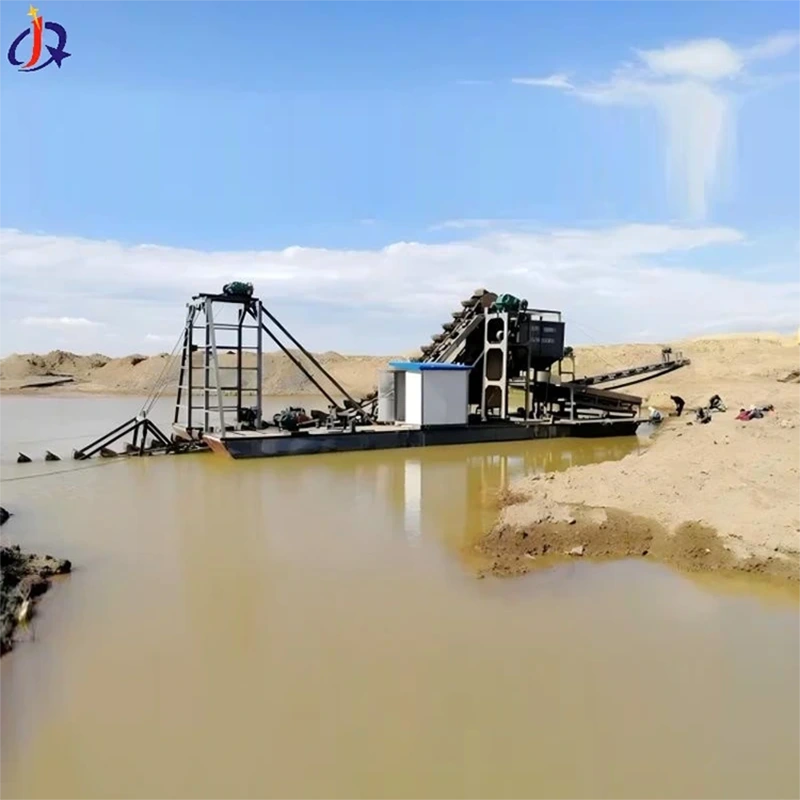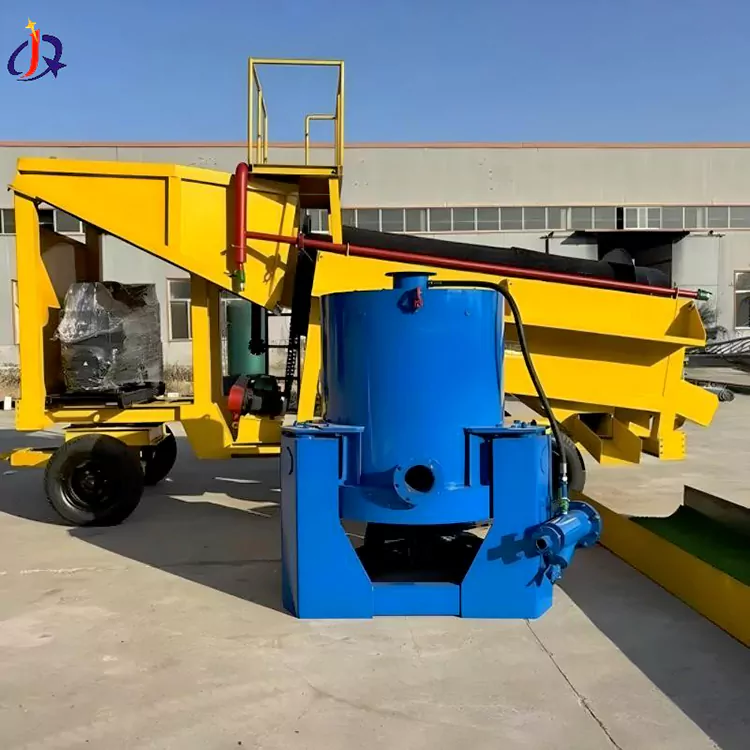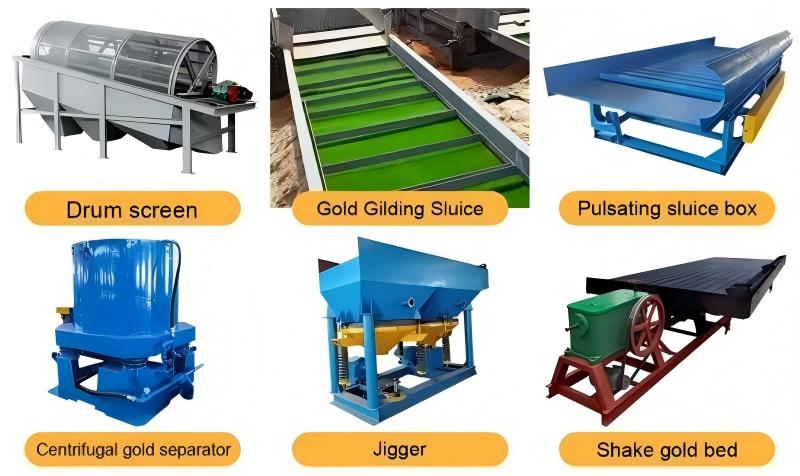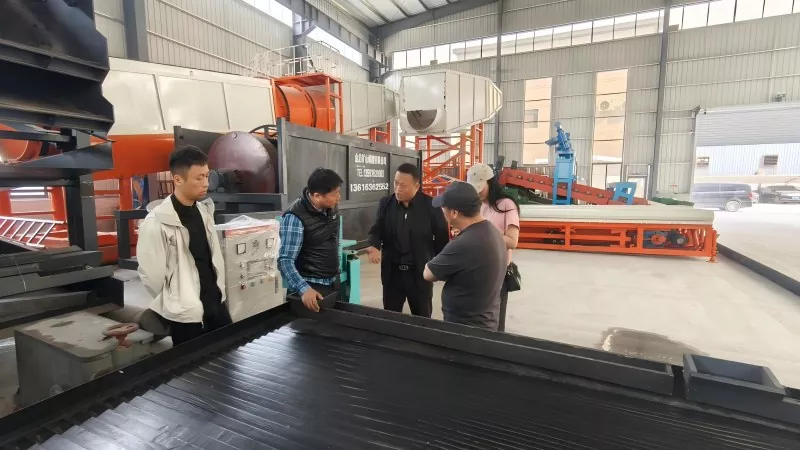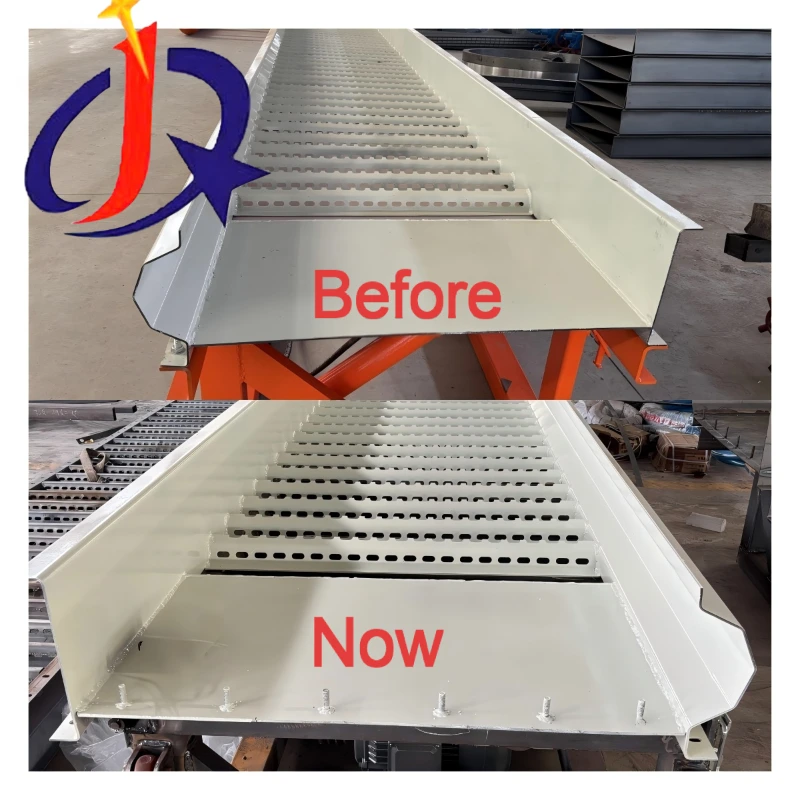
The centrifugal concentrator has emerged as a vital piece of equipment in modern mineral processing. This article explores its working principle, key benefits, types, applications, operational tips, and maintenance strategies. By understanding the importance of centrifugal concentrators, mining professionals can improve recovery rates, reduce operational costs, and enhance overall efficiency. Qingzhou Jinqi Mining Machinery Co., Ltd. has been a leading provider of reliable centrifugal concentrators, ensuring superior performance for various minerals.
The mining industry continuously seeks efficient ways to recover valuable minerals. Among these technologies, the centrifugal concentrator stands out due to its high recovery rates for fine and ultra-fine particles. This equipment has become particularly essential in gold, tin, tungsten, tantalum, and other precious metal mining operations. Qingzhou Jinqi Mining Machinery Co., Ltd. specializes in manufacturing centrifugal concentrators that deliver consistent results for a wide range of minerals.
How Does a Centrifugal Concentrator Work?
Centrifugal concentrators utilize centrifugal force to separate heavy minerals from lighter gangue. Unlike conventional gravity separation, which relies solely on density differences, centrifugal concentrators intensify gravity effects to enhance recovery rates.
Working Principle
Feed slurry is introduced into a rotating bowl.
High-speed rotation generates centrifugal force several times stronger than gravity.
Heavy particles migrate toward the bowl’s wall and are collected in the concentrate chamber.
Lighter particles remain suspended and exit as tailings.
Key Components
Component
Function
Bowl
Generates centrifugal force and facilitates particle separation
Motor
Provides the rotational speed for the bowl
Feed Tube
Introduces the slurry uniformly
Concentrate Discharge
Collects and directs the concentrated minerals
Types of Centrifugal Concentrators
Different concentrator designs cater to specific mining needs. The most common types include:
Knelson Concentrator: Features a series of concentric rings and is ideal for small-scale gold recovery.
Falcon Concentrator: Uses enhanced gravity for ultra-fine particle recovery and is often used in large-scale operations.
Self-Discharging Centrifugal Concentrator: Automatically removes concentrate to allow continuous operation.
Applications in Mining Industry
Centrifugal concentrators are versatile tools used in multiple scenarios:
Gold and silver mining to recover fine particles often lost in traditional methods.
Tantalum, tin, and tungsten recovery in hard rock mining.
Environmental applications such as recycling precious metals from e-waste.
Qingzhou Jinqi Mining Machinery Co., Ltd. provides tailored solutions that optimize mineral recovery for these industries.
Key Benefits and Advantages
High Recovery Rate: Effective for fine and ultra-fine particles.
Compact Footprint: Suitable for plants with limited space.
Environmental Friendly: Minimal chemical use, reducing ecological impact.
Adaptable to Different Materials: Works with ores of varying density and particle size.
Operational Tips for Optimal Performance
To maximize the efficiency of centrifugal concentrators, operators should follow these guidelines:
Ensure feed slurry consistency is appropriate for the concentrator design.
Regularly check the bowl’s rotational speed to maintain optimal centrifugal force.
Prevent clogging by cleaning concentrate discharge channels routinely.
Monitor particle size distribution to adjust feed rate accordingly.
Qingzhou Jinqi Mining Machinery Co., Ltd. offers technical support to optimize operational performance for every mining site.
Maintenance and Troubleshooting
Routine maintenance is crucial to extend the lifespan of a centrifugal concentrator:
Inspect bearings and lubricate regularly.
Check the wear of the bowl and replace worn liners.
Monitor vibrations to detect misalignment or mechanical issues.
Keep the motor and electrical components free from moisture and dust.
Centrifugal Concentrator vs Other Recovery Methods
Method
Recovery Efficiency
Suitable Particle Size
Advantages
Centrifugal Concentrator
High
0.02-2 mm
Efficient for fine particles, low chemical use
Jigging
Moderate
0.5-5 mm
Simple operation, lower cost for coarse particles
Flotation
Variable
0.02-0.3 mm
Good for sulfide ores, can process complex minerals
Frequently Asked Questions (FAQ)
Q1: What ores can a centrifugal concentrator process?
A: It can process gold, silver, tungsten, tantalum, tin, and other heavy minerals with fine particle sizes.
Q2: How often should the concentrator be maintained?
A: Routine maintenance is recommended every 3-6 months, with daily inspections of critical components.
Q3: Can it recover ultra-fine gold particles?
A: Yes, centrifugal concentrators are highly effective for ultra-fine gold recovery that traditional gravity methods often miss.
Q4: Is it energy-efficient?
A: Modern concentrators are designed to consume less energy while maintaining high recovery rates.
Q5: Does Qingzhou Jinqi Mining Machinery Co., Ltd. provide after-sales support?
A: Yes, the company offers professional guidance, spare parts, and on-site technical assistance.
Conclusion
The centrifugal concentrator is a critical tool in modern mineral processing, offering high recovery rates, cost efficiency, and adaptability. Qingzhou Jinqi Mining Machinery Co., Ltd. continues to lead in providing advanced centrifugal concentrators tailored to different mining requirements. For mining operators seeking reliable performance and improved recovery, investing in a centrifugal concentrator is a practical and profitable decision.
Contact us today at Qingzhou Jinqi Mining Machinery Co., Ltd. to learn more about our centrifugal concentrators and how they can optimize your mining operations.
We use cookies to offer you a better browsing experience, analyze site traffic and personalize content. By using this site, you agree to our use of cookies.
Privacy Policy